
CUSTOM RETAIL DISPLAY SOLUTIONS
Custom Retail Display Solutions
Explore display formats for counters, shelves, walls, point-of-purchase areas, product presentation and compact floor placements — developed around your product, available space, materials and production requirements.
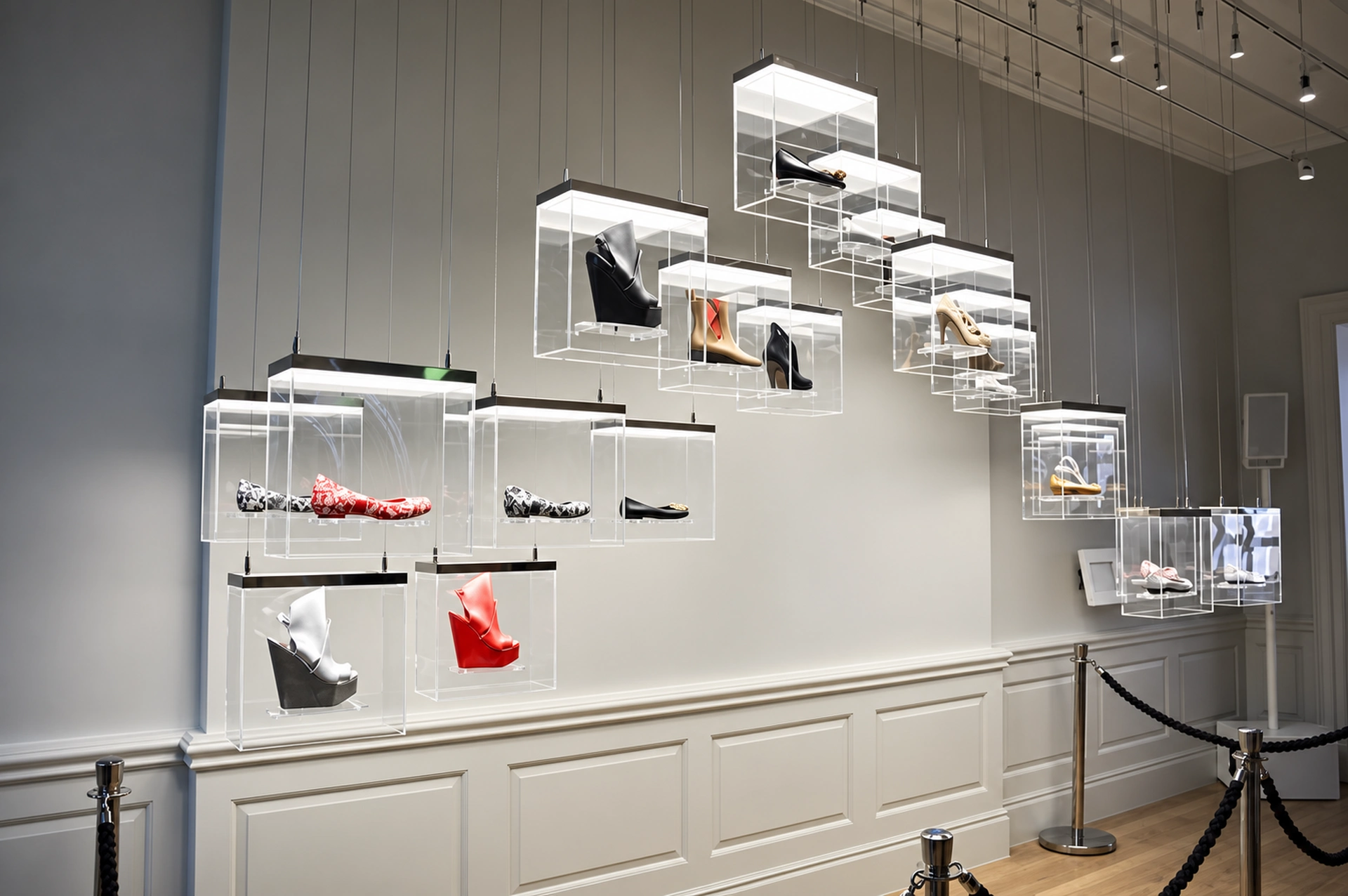
Display Formats in Context
Different products and retail placements call for different display structures. Compare formats by footprint, product access, presentation and material needs.
Showing selected project 3 of 6.
DISPLAY TYPES
Choose a display format around your product and placement.
Start with where the display will sit, how shoppers will interact with the product, how much space is available and what the display needs to support.
RETAIL CONTEXT
Choose around how your product is presented and handled.
Product category influences visibility, access, security, lighting, replenishment and the amount of display space required.
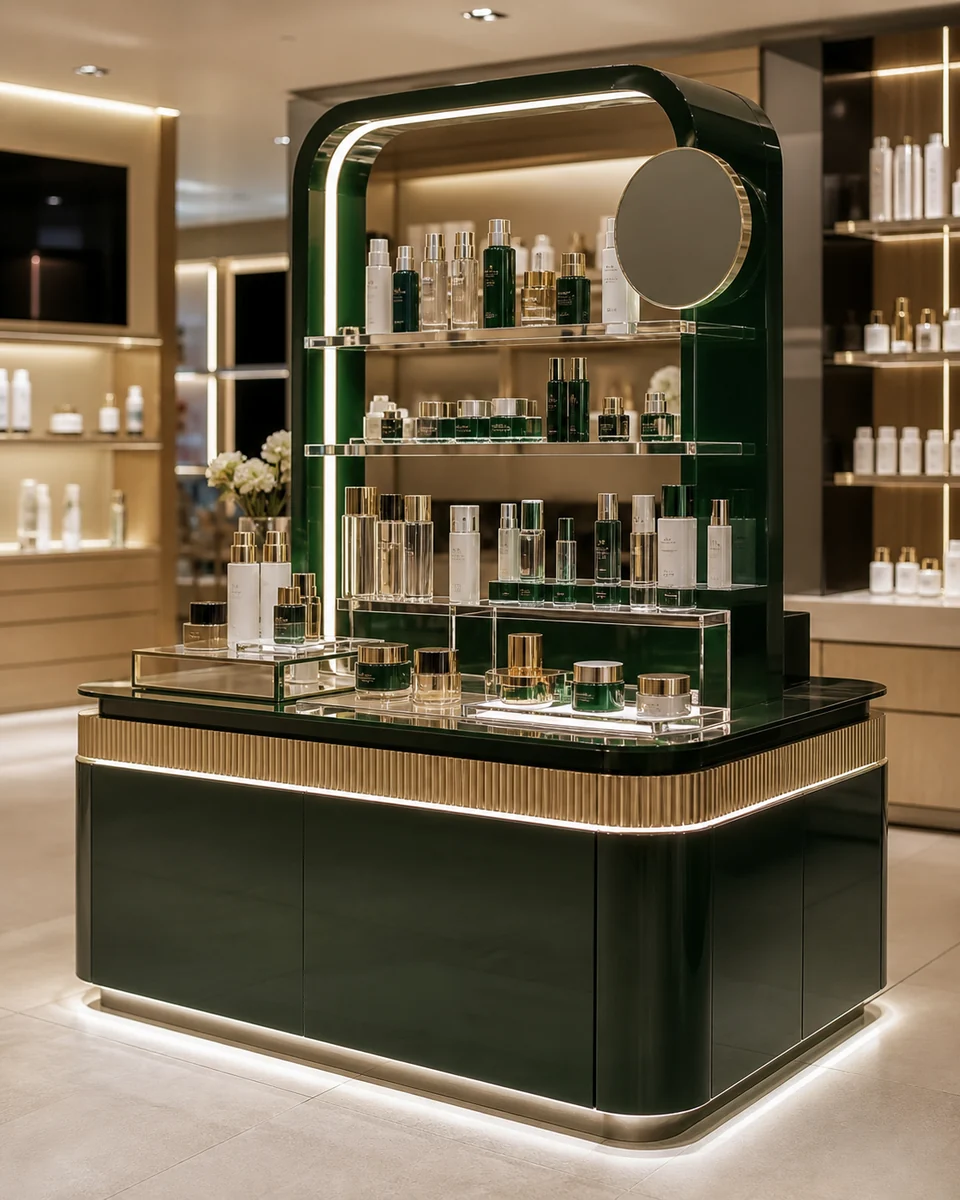
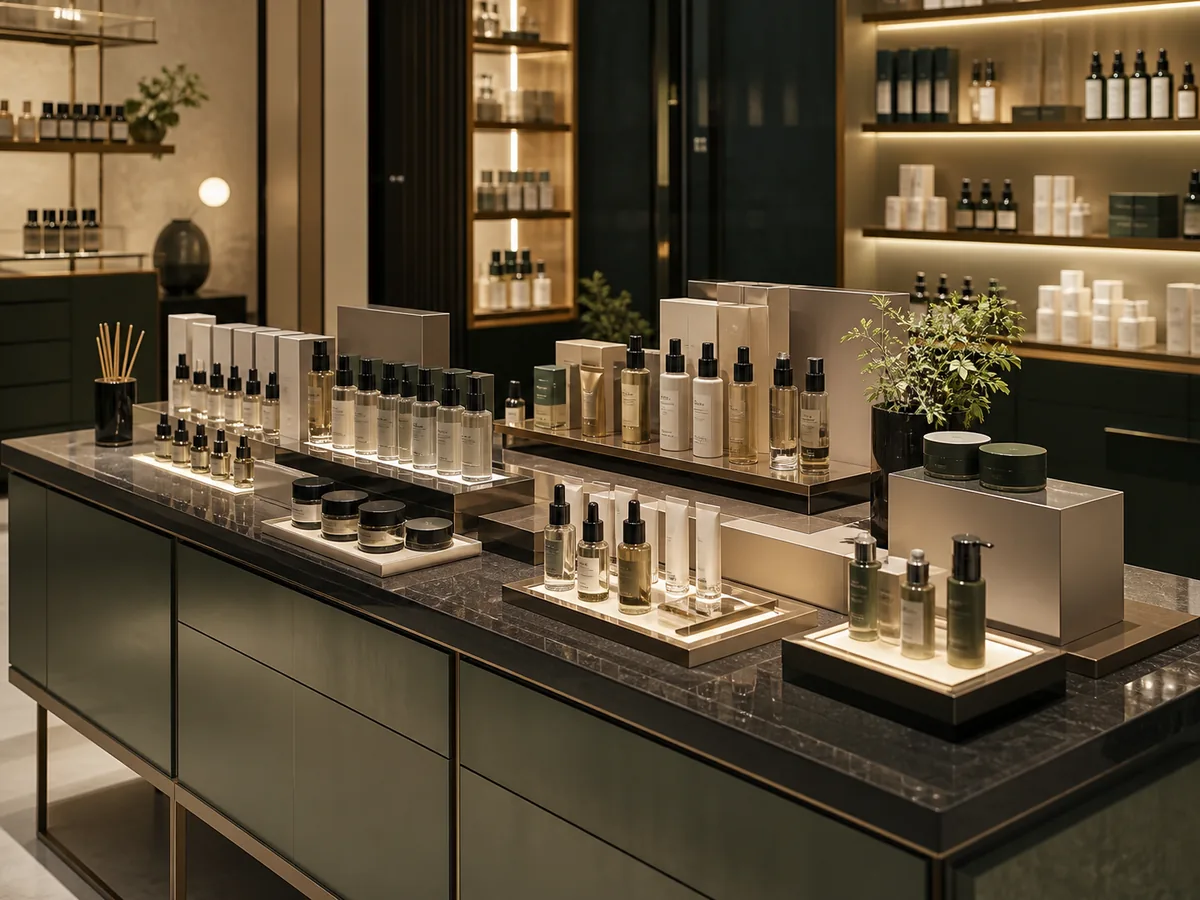 Beauty & Cosmetics
Finish quality, tester access, lighting and compact product organization often shape countertop, shelf and display-case solutions.
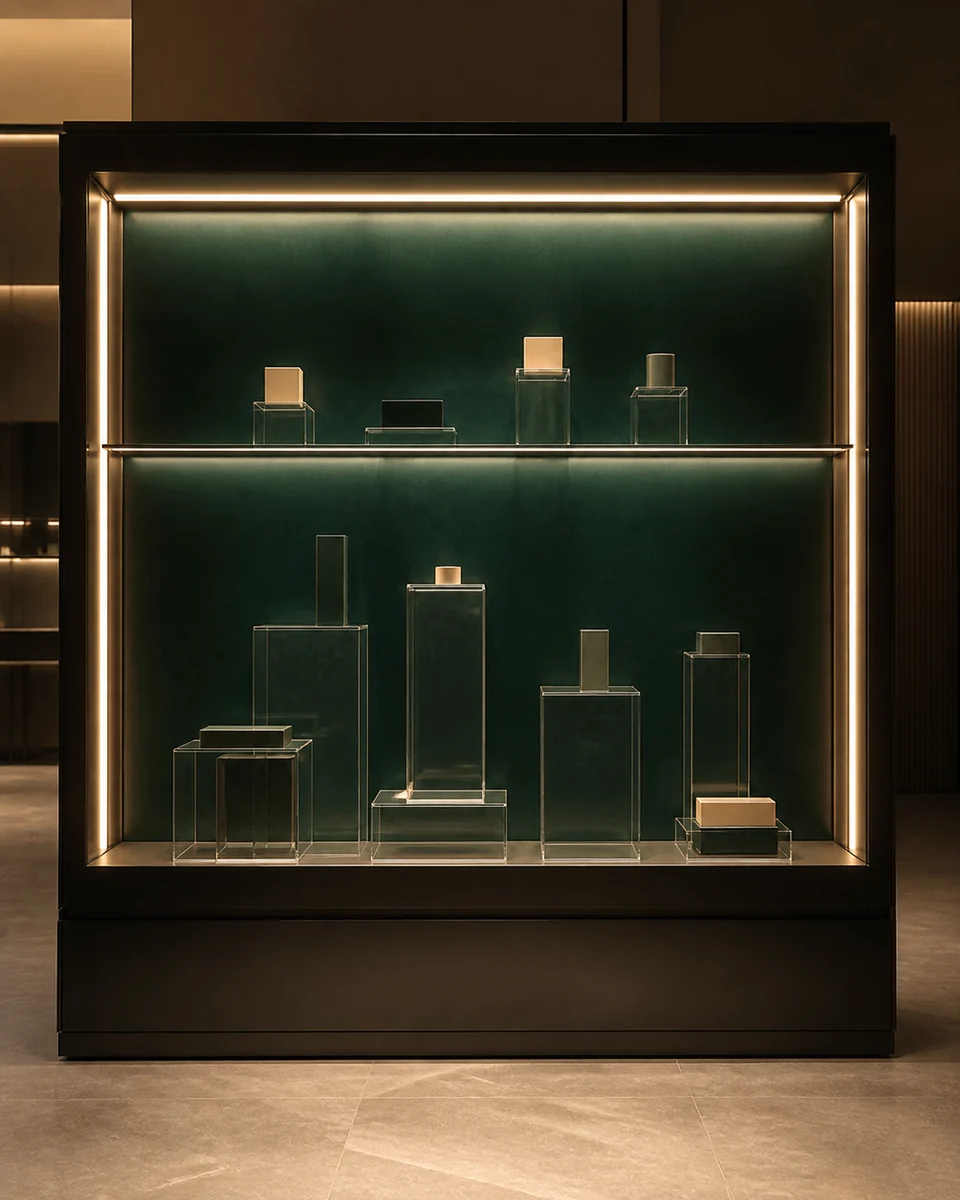 Jewelry & Watches
Controlled lighting, premium finishes, product access and protection often guide countertop, showcase and enclosure decisions.
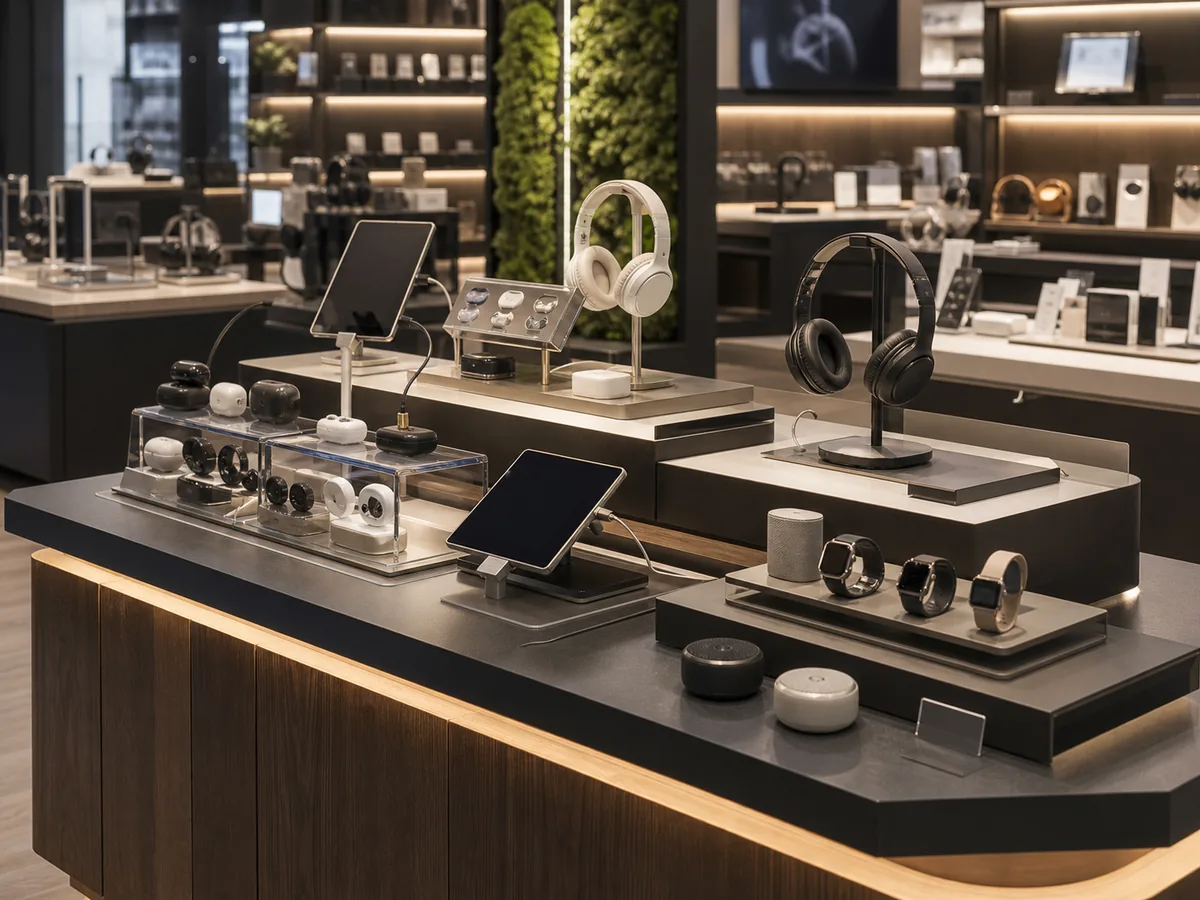 Consumer Electronics
Product demonstration, cable routing, security, lighting and shopper interaction can influence the format and structure.
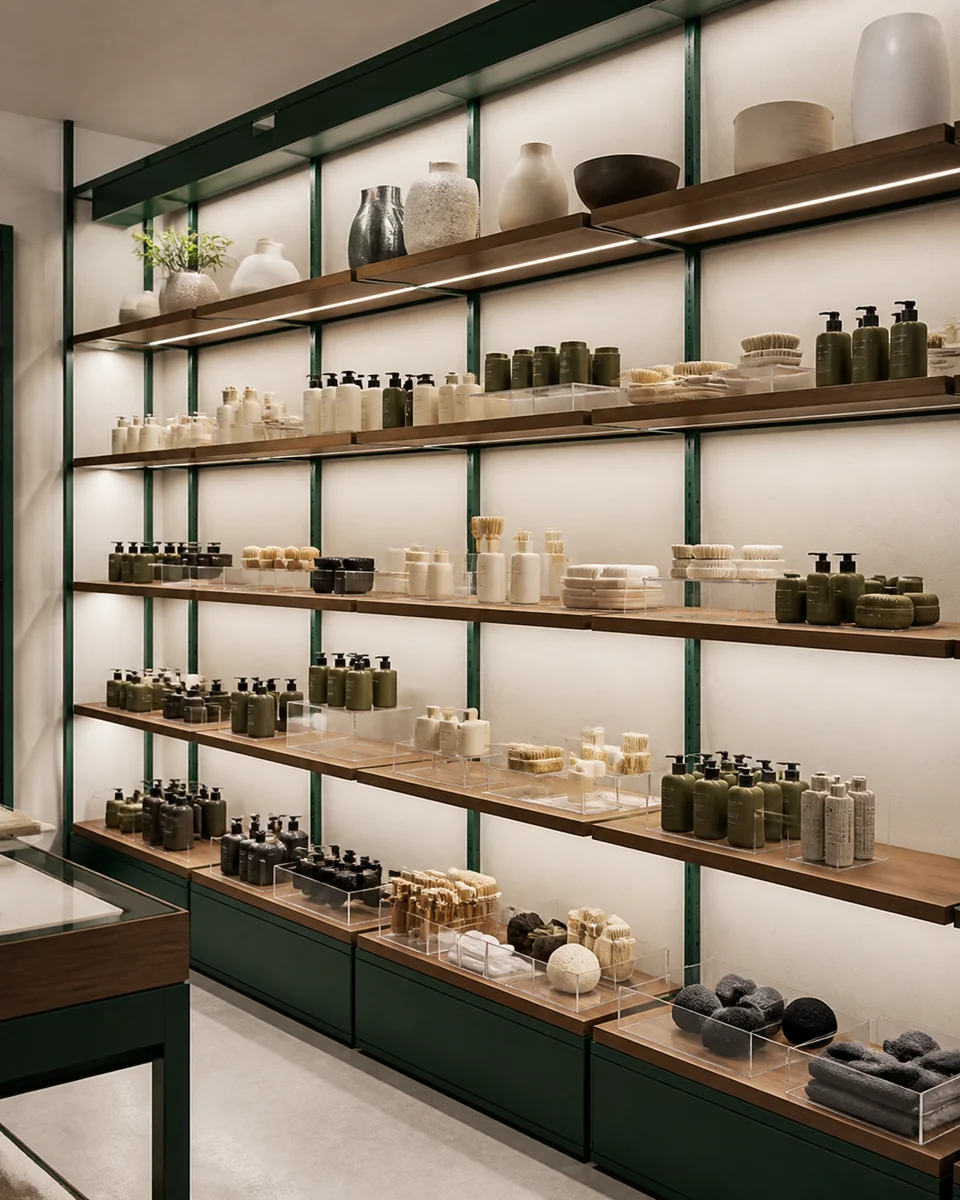 Food & Beverage
Product visibility, replenishment and promotional placement often favor practical counter, shelf and point-of-purchase solutions.
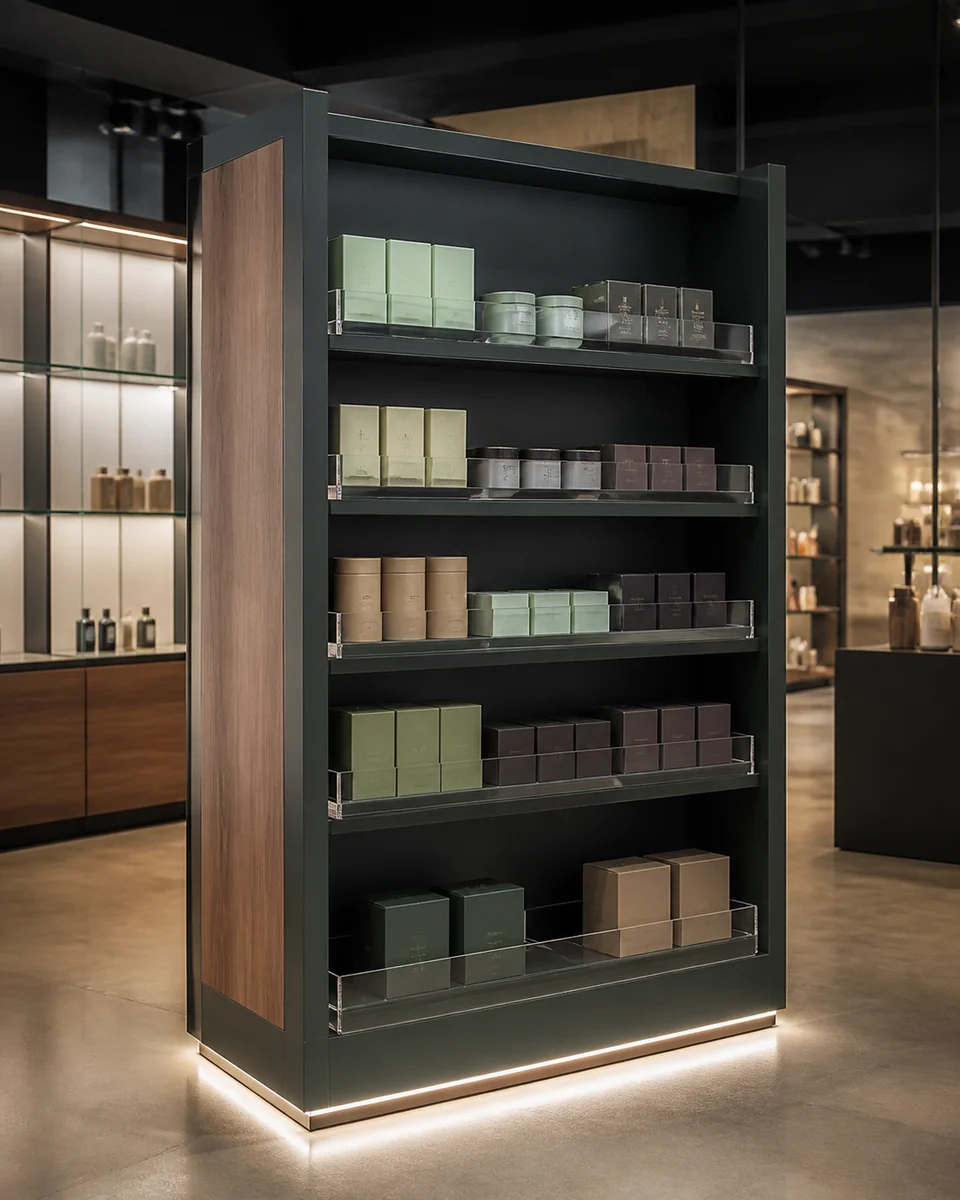 Fashion & Accessories
Product stands, risers, shelf displays and compact floor formats can support accessories, seasonal products and branded presentation.
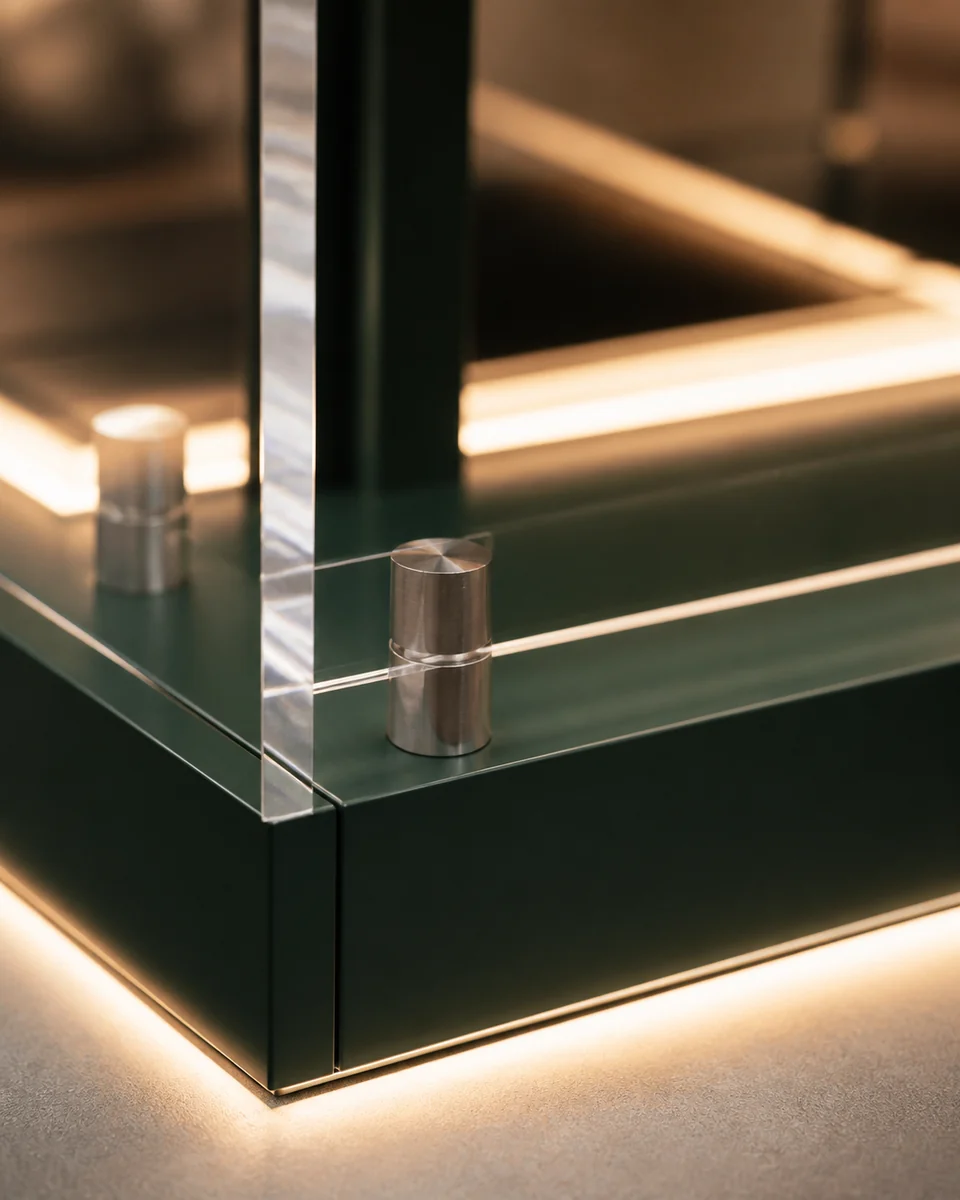 Lifestyle Retail
Shelf, countertop, case and compact freestanding formats can organize products while supporting visual storytelling.
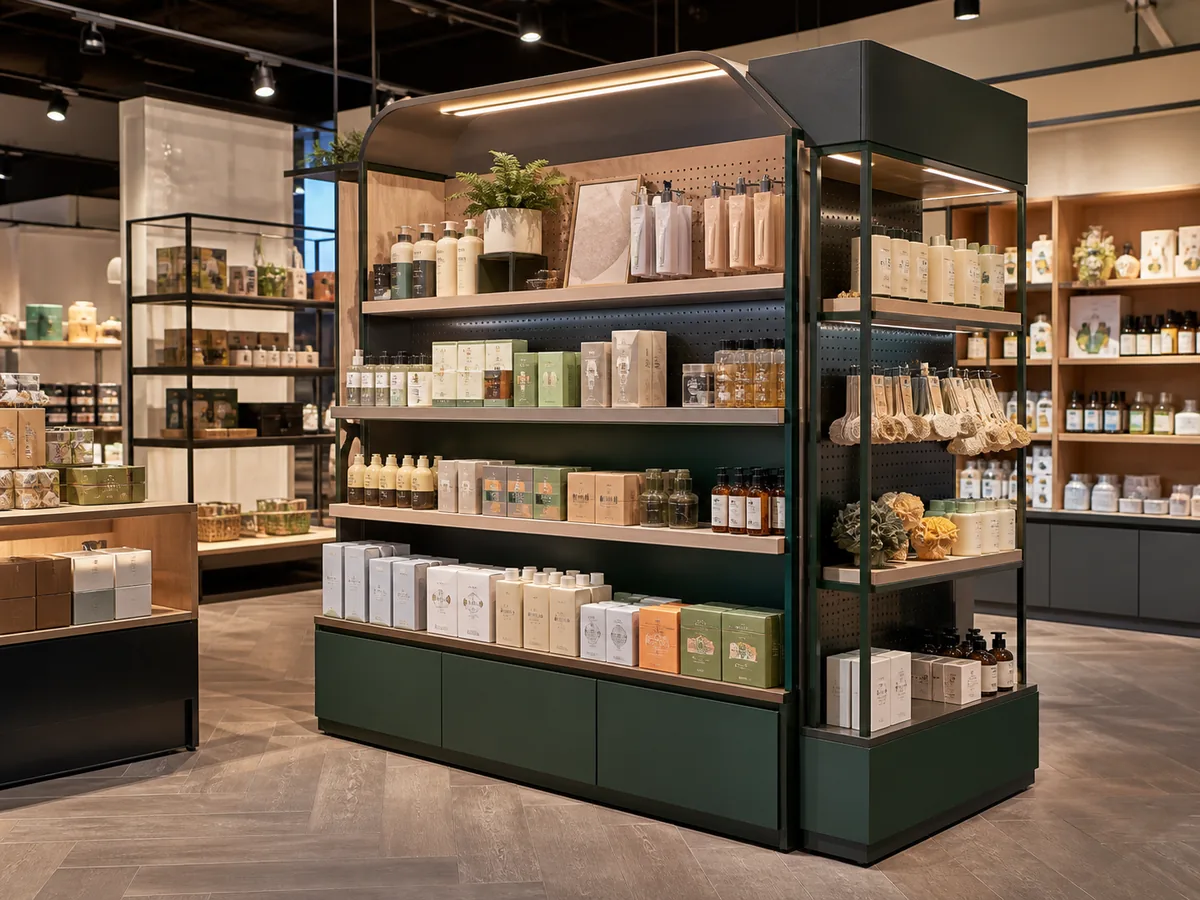 Consumer Brands
Display format depends on product size, promotional goals, available space and how shoppers need to access the product.
 Gifts & Specialty
Mixed-SKU ranges often benefit from stands, risers, cases and shelf solutions that create clear product zones.
Materials selected around the display’s job.
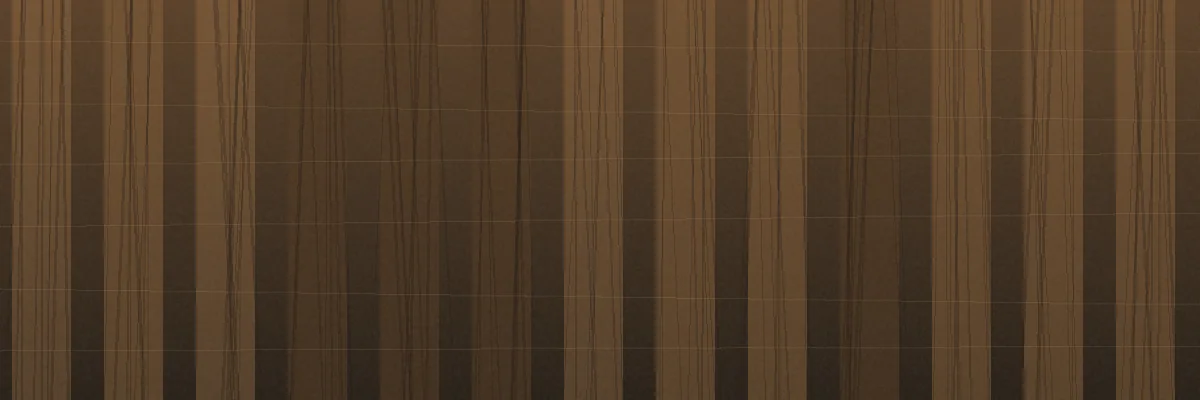
Material choice affects appearance, structure, weight, durability, lighting, assembly, packaging and production cost. Different materials can be combined where the project benefits from it.
Wood & MDF

Metal
Acrylic
Glass

LED & Lighting

PVC, PETG & Other Plastics
HOW A SOLUTION DEVELOPS
From display direction to production-ready build.
Once the basic format is clear, the project moves through design, engineering, prototype review, production planning and delivery preparation.
Define the Display Need
We begin with the product, intended placement, available space, approximate display size, quantity and reference material.
- Product and placement
- Space and display size
- Quantity and project references
Shape the Display Direction
The display format is refined around product visibility, access, brand presentation, materials, lighting and the retail environment.
- Product presentation
- Display format
- Materials and finish direction
Engineer and Validate
Structure, fit, material interfaces, assembly and prototype requirements are reviewed before production decisions are finalized.
- Structure and materials
- Prototype review
- Production readiness
Move Into Production
Approved requirements move into fabrication, printing, finishing, lighting integration and assembly, with checks built into production.
- Fabrication and finishing
- Assembly and lighting
- Production checks
Prepare for Delivery
Completed displays are reviewed and packed around their structure, surface protection and destination requirements.
- Final review
- Protective packaging
- Shipment preparation
ENGINEERING + PRODUCTION
What turns a display concept into a workable solution.
A display format only works when structure, materials, fabrication, assembly, finishing and packaging are considered together.
Engineering & DesignSupport
Prototyping &Sampling
Multi-MaterialFabrication
Printing &Finishing
Assembly &Quality Control
Packaging &Delivery
PROJECT CHECKS
Checks that help keep the selected display solution practical.
Depending on the project, reviews can cover materials, first articles, fit, appearance, function, assembly, packaging and shipment readiness.
- Material Verification
- First Article Review
- Fit & Assembly Check
- Appearance & Print Check
- Function Check
- Packaging & Pre-Shipment Review
DISPLAY EXAMPLES
See how different display requirements shape the solution.
Format, placement, product access, materials and production requirements all influence how a custom display takes shape.
Display Framework
Beauty Counter Display Direction
Consider a counter format when tester access, small-product visibility and finish quality need to work within a limited footprint.
Display Framework
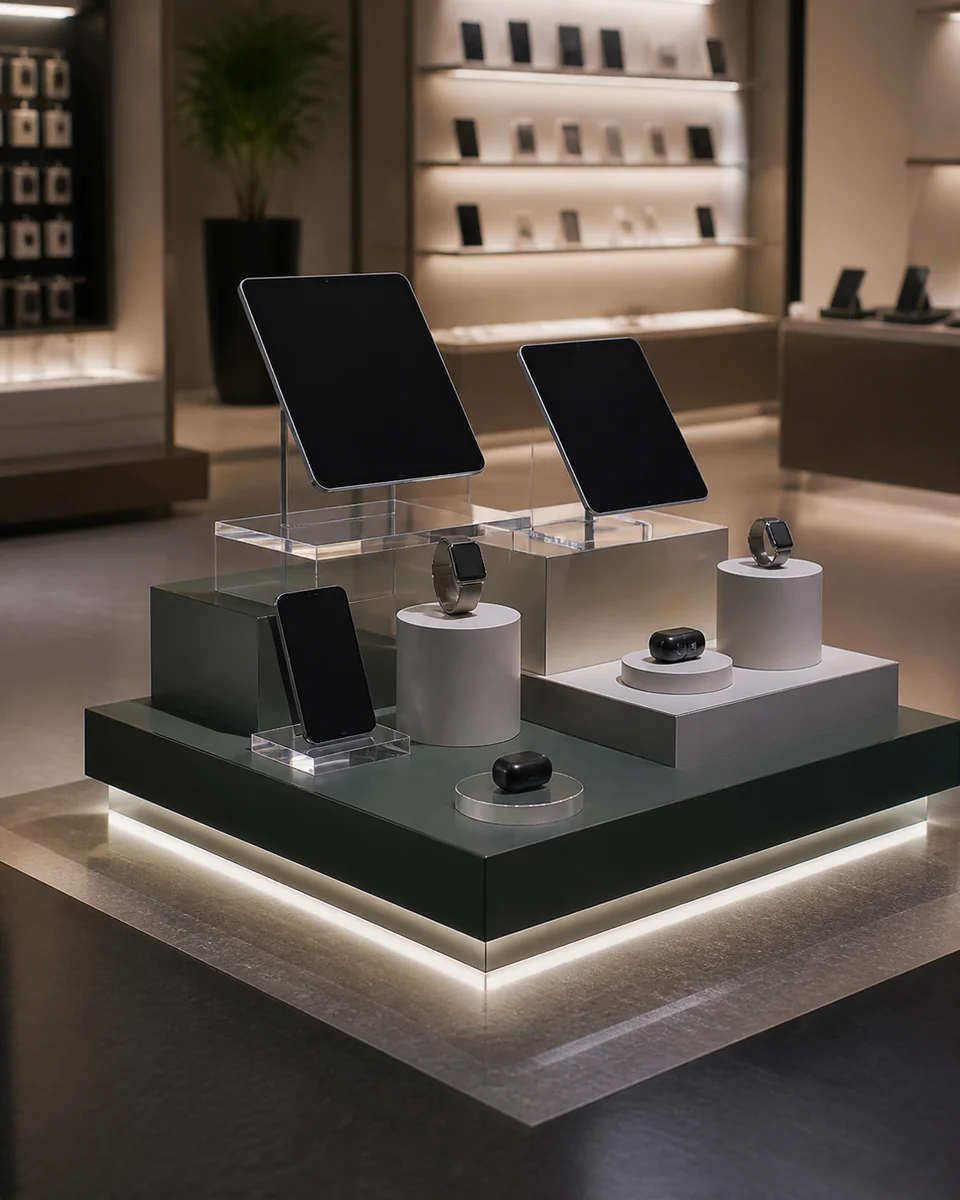
Electronics Demo Display Direction
Compare demo formats by product access, cable routing and how shoppers need to interact with the product.
Display Framework
Floor-Standing Product Display Direction
A compact floor format needs its own footprint, stable support and practical product access within the available retail space.
Display Framework
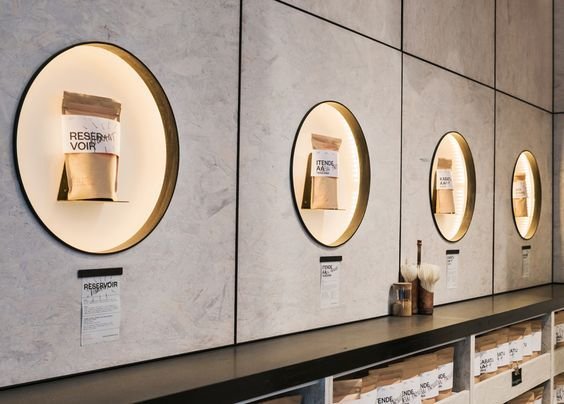
Modular Shelf Display Direction
Review shelf depth, wall position, product grouping and replenishment when comparing shelf or wall formats.
Display Framework
Illuminated Product Display Direction
Lighting can support product visibility. Review glare, power routing, material transparency and access as part of the format.
Display Framework
Mixed-Material Display Direction
Combine materials where structure, finish, weight or assembly benefits from a mixed-material approach.
Showing featured case study 2 of 6.
Questions about choosing a retail display.
How do I choose the right retail display format?
Start with product size, placement, available space, shopper access, display lifespan, quantity and whether you need branding, lighting or product protection.
How do countertop and floor-standing displays differ?
Countertop displays work within existing counter or table space, while floor-standing displays create an independent product presentation with their own footprint and supporting structure.
When does a shelf or wall display make sense?
Shelf and wall displays are useful when the project needs to work with existing shelving or a defined wall position rather than occupy separate floor space.
When should I use display stands or risers?
Stands and risers are useful when the main goal is to elevate, organize or highlight products within an existing counter, shelf, showcase or display environment.
When is a display case or enclosure appropriate?
Cases and enclosures can help present and protect products while maintaining visibility. Access, opening method, material and protection requirements should be reviewed for each project.
What does POS / POP display mean?
POS and POP describe the retail purpose and placement of a display. A POP project may use a countertop, shelf or compact floor-standing structure depending on the product and campaign.
Can different materials be combined in one display?
Yes. Acrylic, metal, wood, plastics, glass and lighting can be combined where the structure, appearance, weight, cost or production method benefits from a mixed-material approach.
Can you help me choose a display type?
Yes. Share your product information, intended retail placement, approximate size, quantity and any reference images. We can review the requirements and help narrow down a practical direction.
Do you build large fixtures or full-store cabinetry?
No. Our focus is small and mid-size custom retail displays rather than large shopfitting, full-store cabinetry or heavy permanent fixture programs.
START A PROJECT
Not sure which display format fits your product?
Share your product details, intended placement, approximate size, target quantity, drawings or reference images. We’ll help review the requirements and define a practical starting point.