
DISPLAY CASE & ENCLOSURE SOLUTIONS
Custom Display Cases & Enclosures
Custom display cases, covers and enclosures developed around your product dimensions, visibility, access, base structure, materials and presentation requirements.
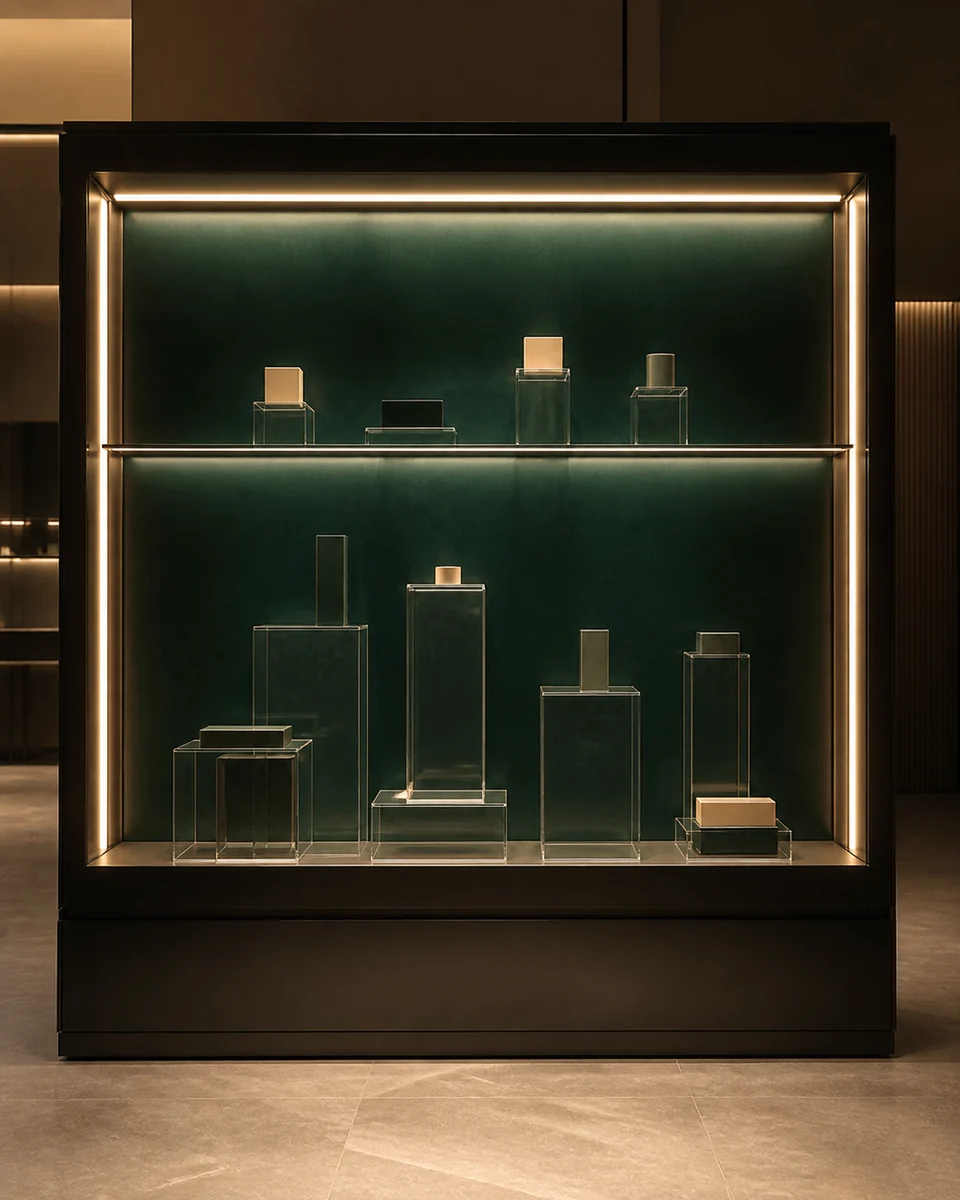
Display Case & Enclosure Formats
Clear covers, base-and-cover systems, product boxes and mixed-material enclosures offer different approaches to visibility and access. These are display directions, not completed projects.
Showing selected project 3 of 6.
COMMON CONFIGURATIONS
Built around visibility, access and fit.
Product size, clearance, viewing angles and access guide the case structure.
RETAIL CONTEXT
Cases shaped around the product inside.
Product category influences viewing angles, access, internal clearance, lighting, product support and the level of enclosure required.
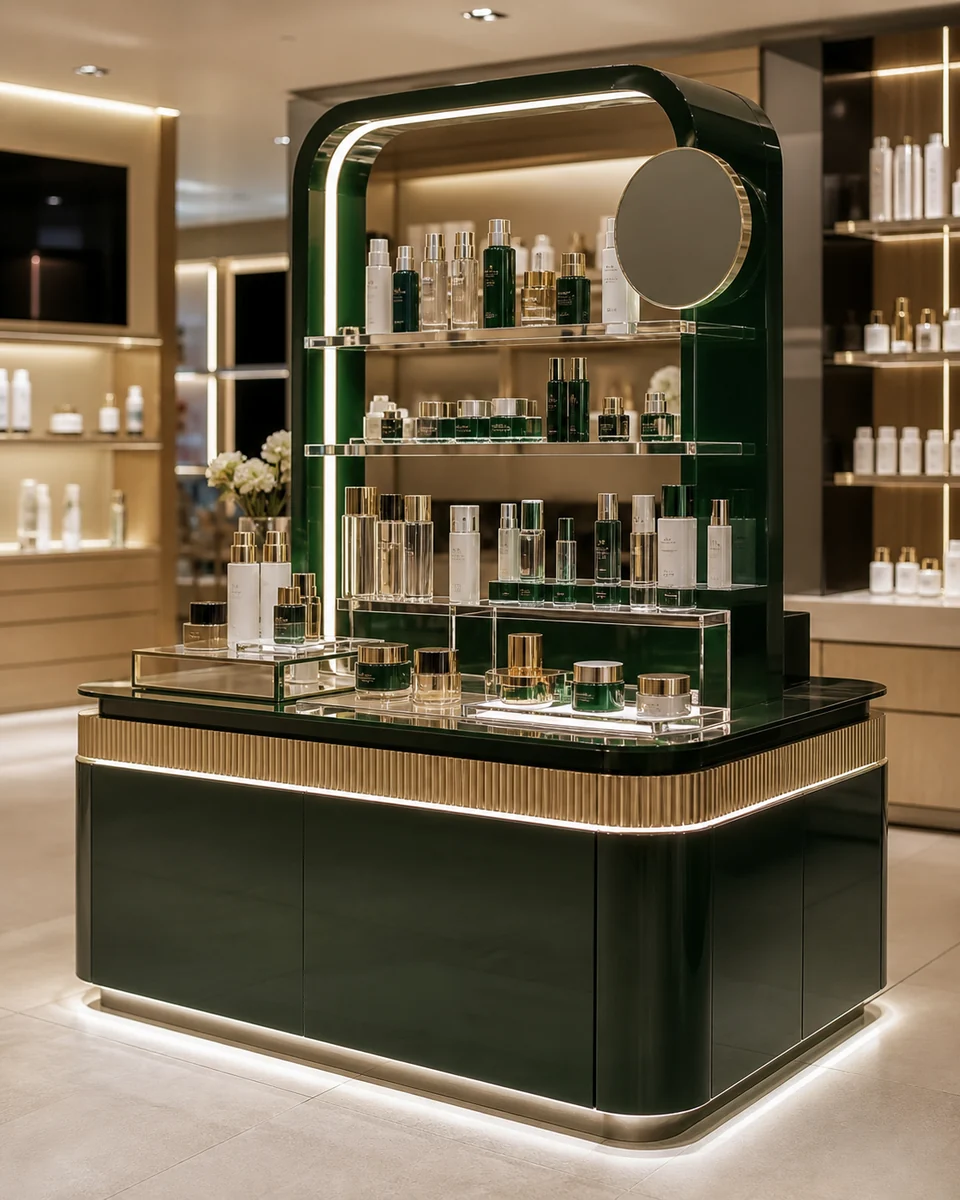
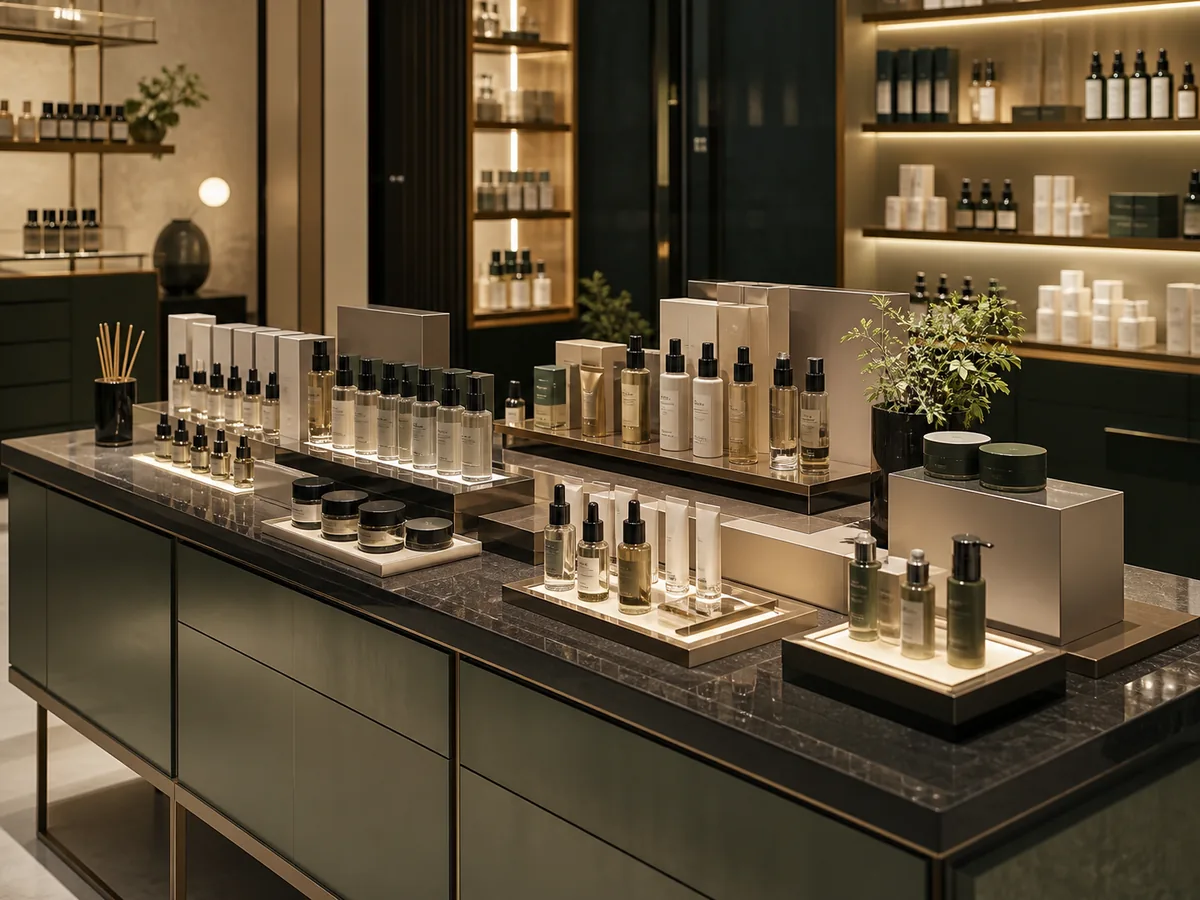 Beauty & Cosmetics
Clear cases and covers can support premium product presentation where visibility, access, lighting and surface appearance are important.
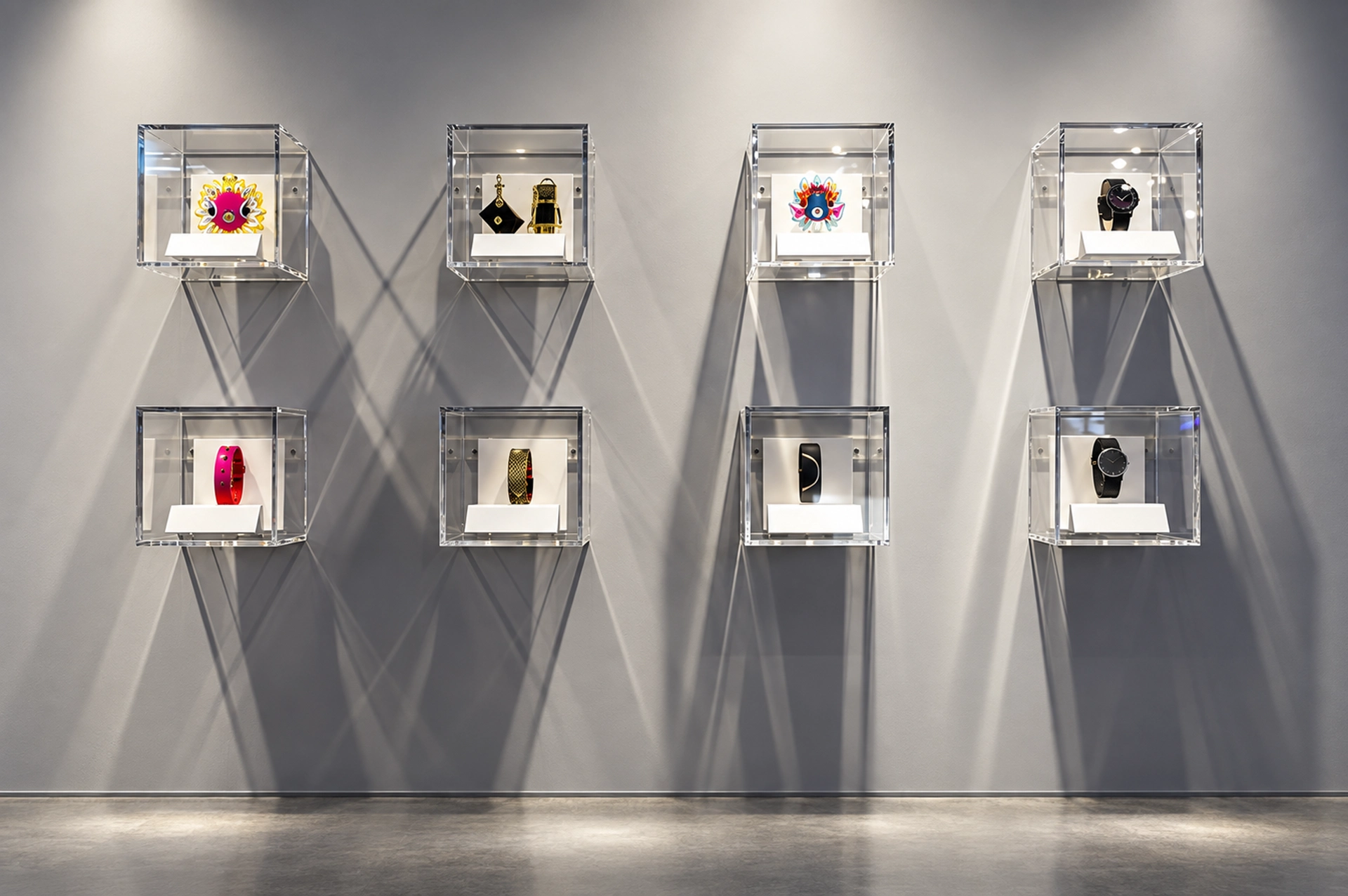
 Jewelry & Watches
Small display cases can present jewelry and watches where visibility, product positioning, access and project-specific protection needs are considered together.
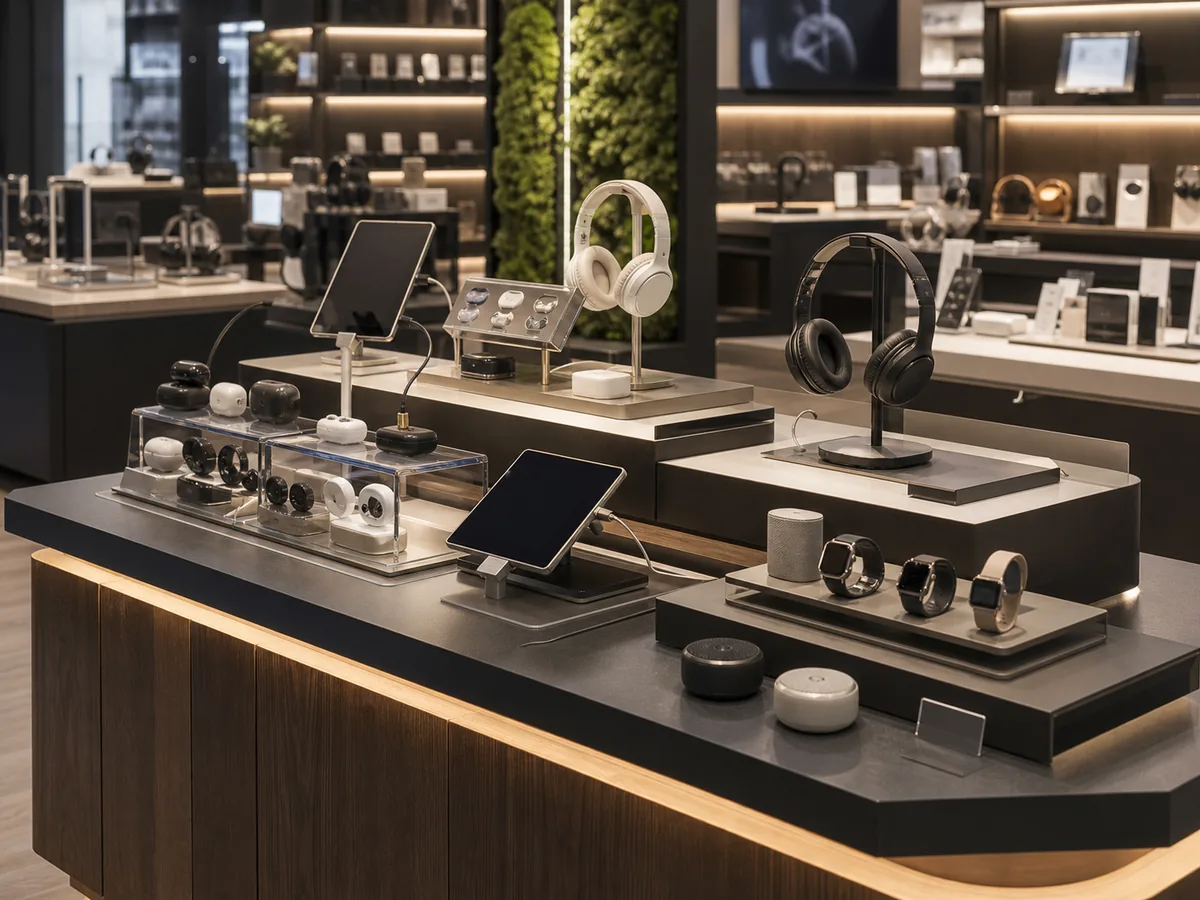 Consumer Electronics
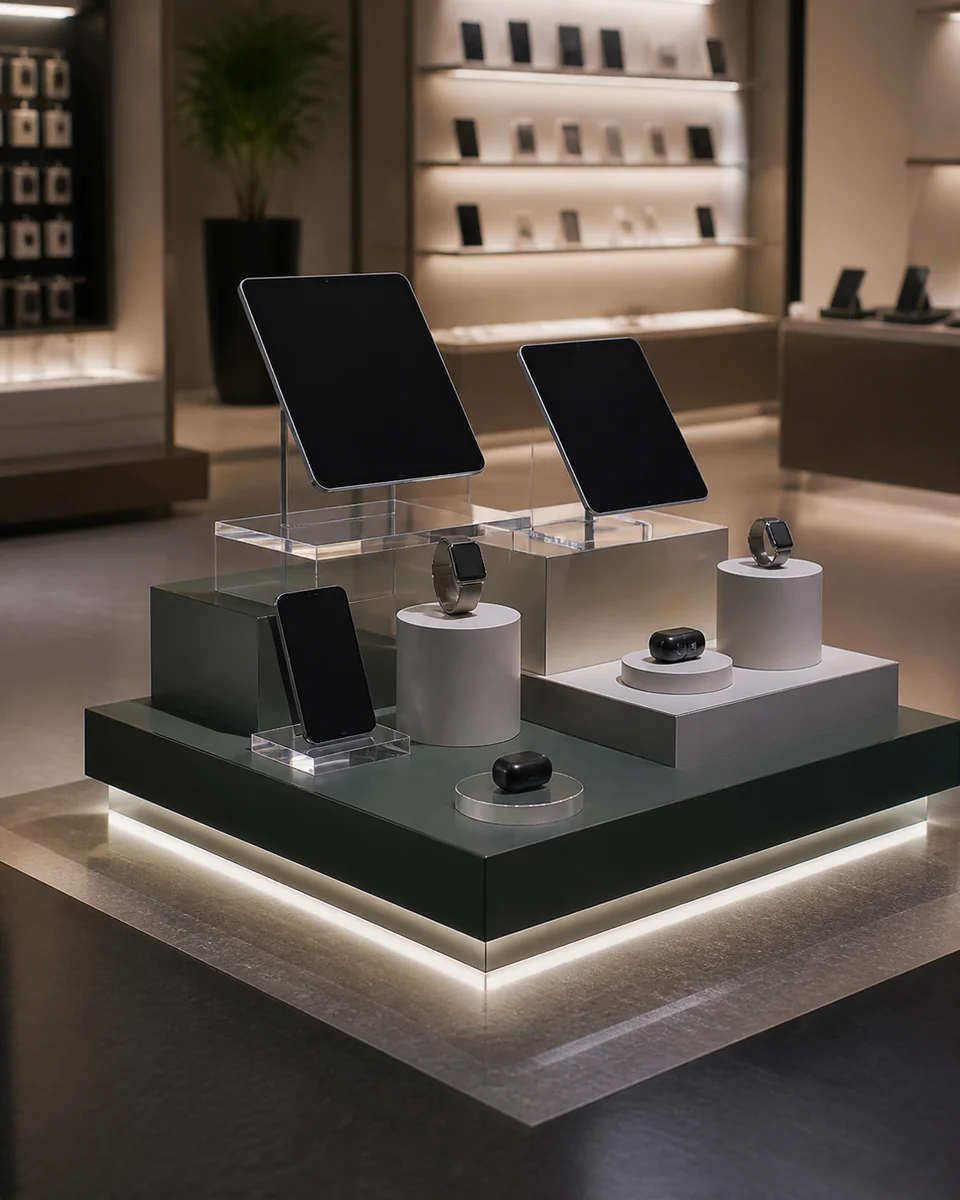
Product enclosures can support electronics presentations where viewing access, cable routing, product support and optional lighting influence the structure.
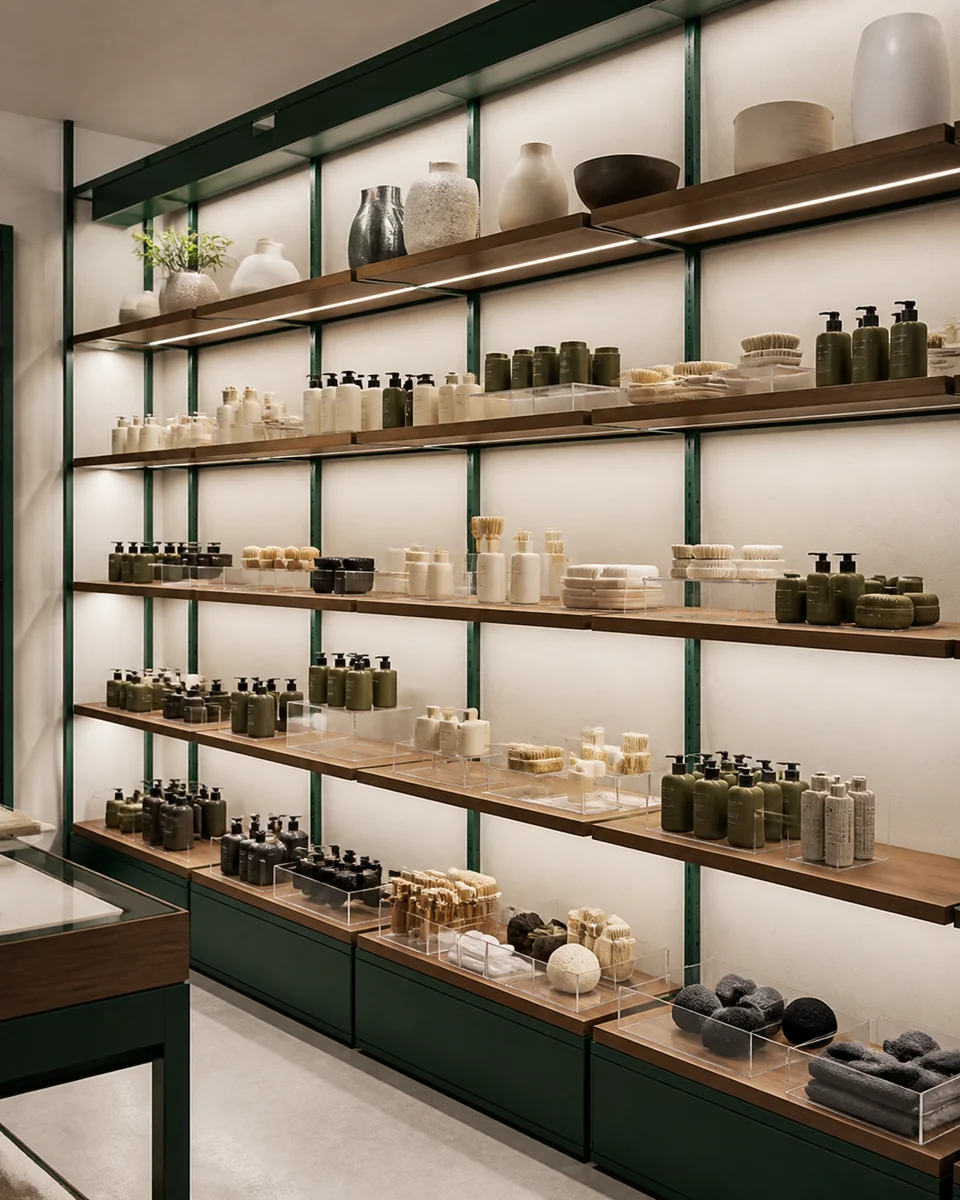 Food & Beverage
For suitable packaged products, covers or enclosures can support presentation where material and hygiene requirements are separately defined and reviewed for the project.
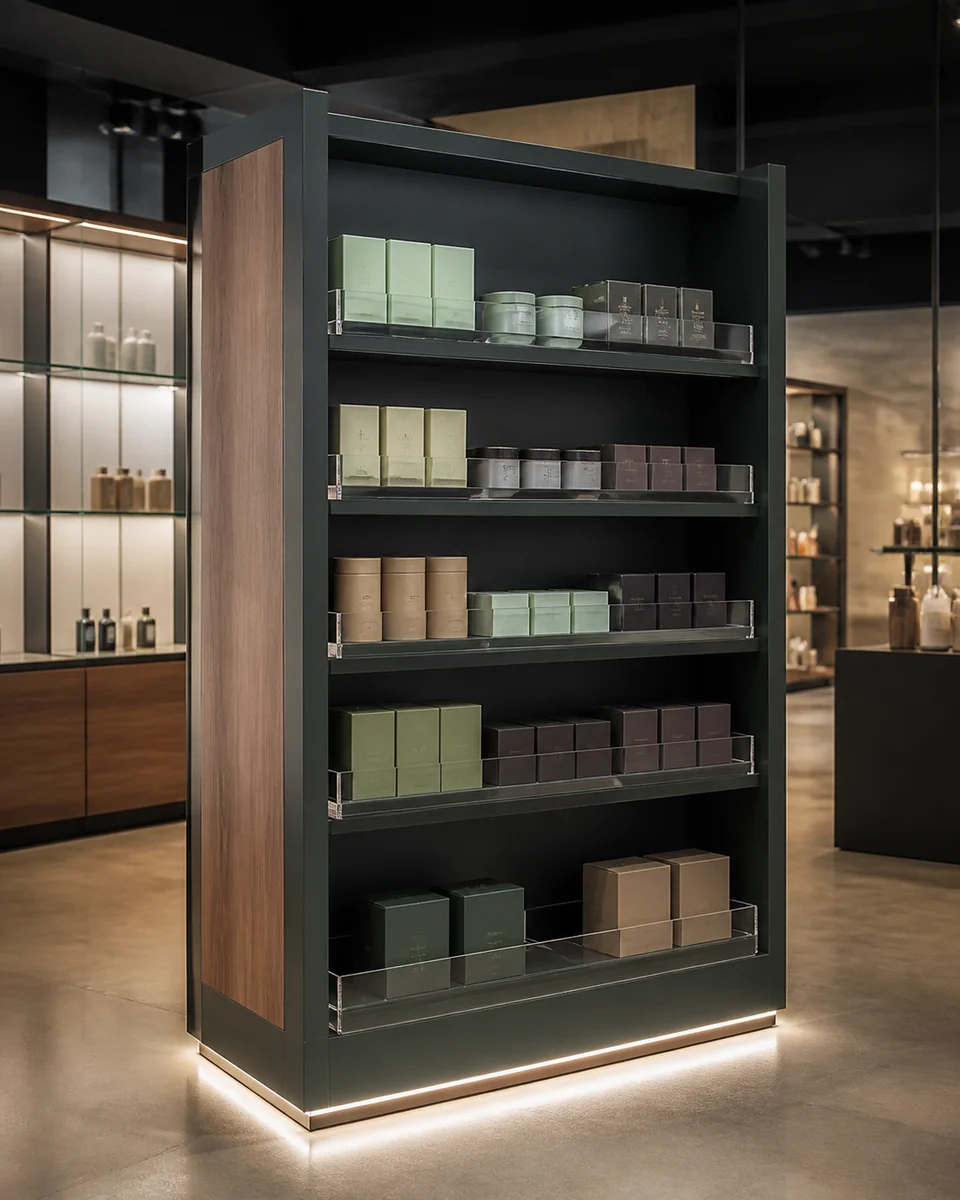 Fashion & Accessories
Cases and covers can present accessories, eyewear and premium products while maintaining visibility and a defined display area.
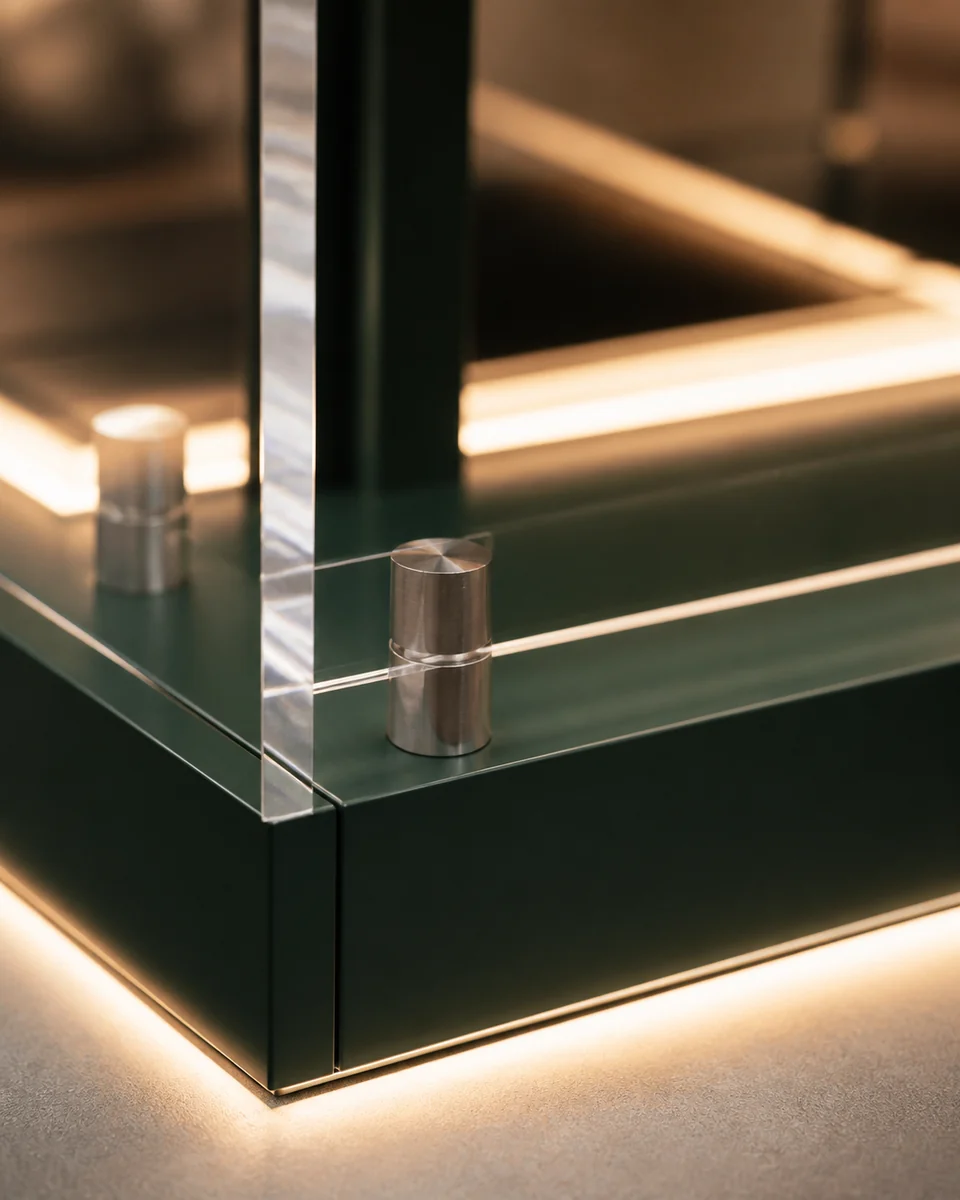 Lifestyle Retail
Display boxes and enclosures can support collectibles, wellness products, gifts and specialty items where presentation and separation are important.
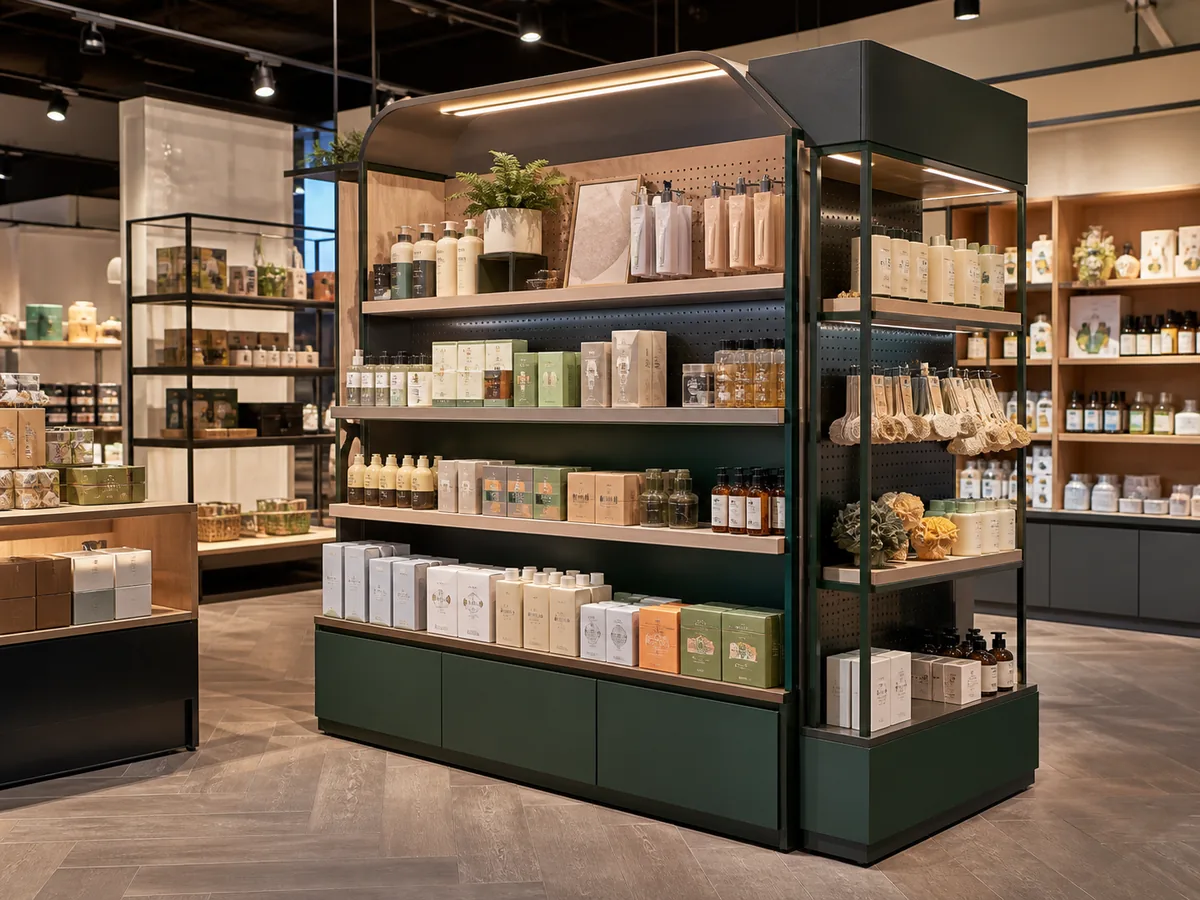 Consumer Brands
Branded cases can create a defined viewing area around a featured product, launch or premium item within an existing retail display.
 Gifts & Specialty
Clear covers, display boxes and base-and-cover systems can support specialty products where product visibility and presentation remain central.
Materials for visibility, fit and finish.
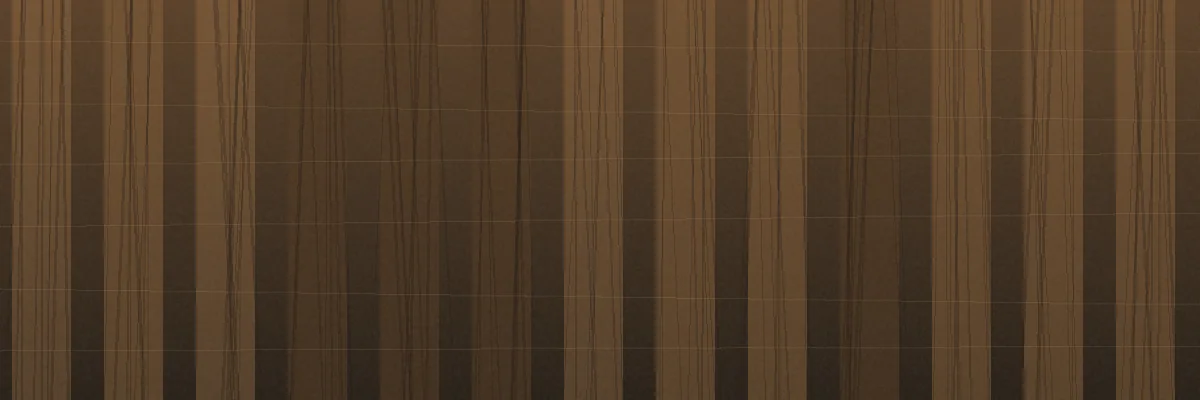
Acrylic, metal, wood, plastics, glass where appropriate, and lighting can be combined around transparency, structural support, finish, access, assembly and production requirements.
Wood & MDF

Metal
Acrylic
Glass

LED & Lighting
PVC, PETG & Other Plastics
PROCESS
From product to production-ready enclosure.
Development starts with the product and required viewing or access conditions, then moves through structure, material selection, prototype review, production and protective packaging.
Define the Product and Access Need
We begin with product dimensions, approximate weight, required viewing area, access method, target quantity and any drawings or reference images.
- Product dimensions
- Viewing and access needs
- Quantity and references
Shape the Case Structure
Full covers or partial enclosures are reviewed around internal clearance, viewing angles, base design and product access. Lift-off covers, doors, lids or open fronts can be considered alongside materials, branding and optional lighting.
- Internal space
- Access method
- Material and finish direction
Engineer Fit and Interfaces
Product fit, base-to-cover interfaces, clearances, assembly, opening components and prototype requirements are reviewed before production. Protection requirements should be defined and reviewed for each project.
- Fit and clearance
- Base / enclosure interface
- Prototype review
Move Into Production
Approved requirements move into fabrication, finishing, printing, lighting integration where required and assembly, with production checks built into the process.
- Fabrication and finishing
- Assembly and optional lighting
- Production checks
Protect Surfaces for Shipment
Completed cases and enclosures are reviewed and packed around clear-surface and edge protection, component separation and shipment requirements. Packing is planned to limit rubbing and contact between the cover, base and other parts.
- Final review
- Surface and edge protection
- Protective packaging
ENGINEERING + PRODUCTION
Engineering the fit, access and enclosure.
Internal clearances, base fit, cover interfaces, access, materials, fabrication, assembly and packaging are reviewed together for each display enclosure. Specific protection performance is not assumed from the enclosure alone.
Product Fit &Clearance
Base & CoverInterfaces
Prototyping &Sampling
Multi-MaterialFabrication
Assembly &Quality Control
Packaging &Delivery
QUALITY CONTROL
Checks for fit, clarity, finish and assembly.
Depending on the project, reviews can cover dimensions, internal clearance, cover-to-base fit, surface appearance, opening or removal function, assembly and packaging before shipment.
- Material Verification
- Dimensional & Clearance Check
- Base & Cover Fit Check
- First Article Review
- Appearance & Surface Check
- Packaging & Pre-Shipment Review
DISPLAY EXAMPLES
Case and enclosure display directions.
Product dimensions, visibility, access, clearance, materials and lighting shape these design concepts. Any specific protection requirement needs a separate project review.
Design Direction
Clear Product Cover Direction
A clear cover direction that defines space around a product, with viewing angles, internal clearance and lift-off access reviewed together.
Design Direction
Jewelry Display Case Direction
A small jewelry case direction shaped around product positioning, clear viewing, optional lighting and the access needed to place or remove items.
Design Direction
Electronics Enclosure Direction
A product enclosure direction reviewed around device dimensions, support, cable openings and access, without assuming environmental protection.
Design Direction
Base & Cover Display Direction
A base-and-cover direction that aligns product placement, cover fit and removal clearance, with components separated as needed for packing.
Design Direction
Illuminated Display Case Direction
A small illuminated case direction with lighting and cable routes considered around product visibility, reflections, access and assembly.
Design Direction
Mixed-Material Enclosure Direction
A mixed-material direction combining a clear viewing area with a structured base, reviewed around fit, finish, assembly and surface protection during shipment.
Showing featured case study 2 of 6.
Questions about display cases and enclosures.
How do cases and enclosures differ?
A display case emphasizes product presentation within a defined viewing area; an enclosure emphasizes surrounding or separating the product. The formats can overlap. Unlike an open product stand, they define space around the product and introduce internal clearance and access requirements.
Which products can use display cases?
Cases can be developed for jewelry, watches, electronics, cosmetics, collectibles, gifts and other small to mid-size items, depending on dimensions and presentation needs. We focus on product-sized cases, not large retail cabinetry, full-store showcases, shopfitting or on-site installation contracting.
What do you need to design a case?
Useful information includes product dimensions, approximate weight, desired viewing angles, access requirements, target quantity, drawings or reference images and any lighting or branding requirements.
Can the case fit my product's size?
Yes. Product dimensions and required internal clearance can be considered when developing the base, cover, supports and enclosure geometry. Allow space for product placement and removal, supports, lighting and opening components where needed.
Can the cover open or lift off?
Depending on the project, removable covers, lift-off sections, hinged doors or lids, or open-access structures can be considered. The approach depends on how the product is placed, handled and removed, along with structural and assembly requirements.
Can lighting and branding be added?
Depending on the concept, display cases can incorporate LED lighting, printed graphics, logos, base branding and other presentation elements. Lighting positions and cable routes should be reviewed around visibility, reflections and access.
Can different materials be combined?
Yes. Acrylic, metal, wood, plastics, glass where appropriate, and lighting can be combined where structure, appearance, visibility or production requirements benefit from a mixed-material approach.
Can you make a prototype first?
Prototypes and samples can be used to review product fit, internal clearance, appearance, base-to-cover fit, access and assembly before larger production quantities are finalized. Opening, removal and component handling can be checked with the intended product.
Are protection ratings included?
Not by default. Dust, water, UV, security or other environmental performance must not be assumed for a standard display case. Any required performance needs to be defined and validated for the individual project before suitability is confirmed.
START A PROJECT
Planning a custom display case or enclosure?
Share your product dimensions, required viewing and access conditions, target quantity, drawings or reference images. We'll review the requirements and help define a practical starting point.