
POS / POP DISPLAY SOLUTIONS
Custom POS & POP Displays
Custom point-of-purchase and point-of-sale displays developed around your product, retail placement, campaign needs, shopper access, branding, materials and production requirements.
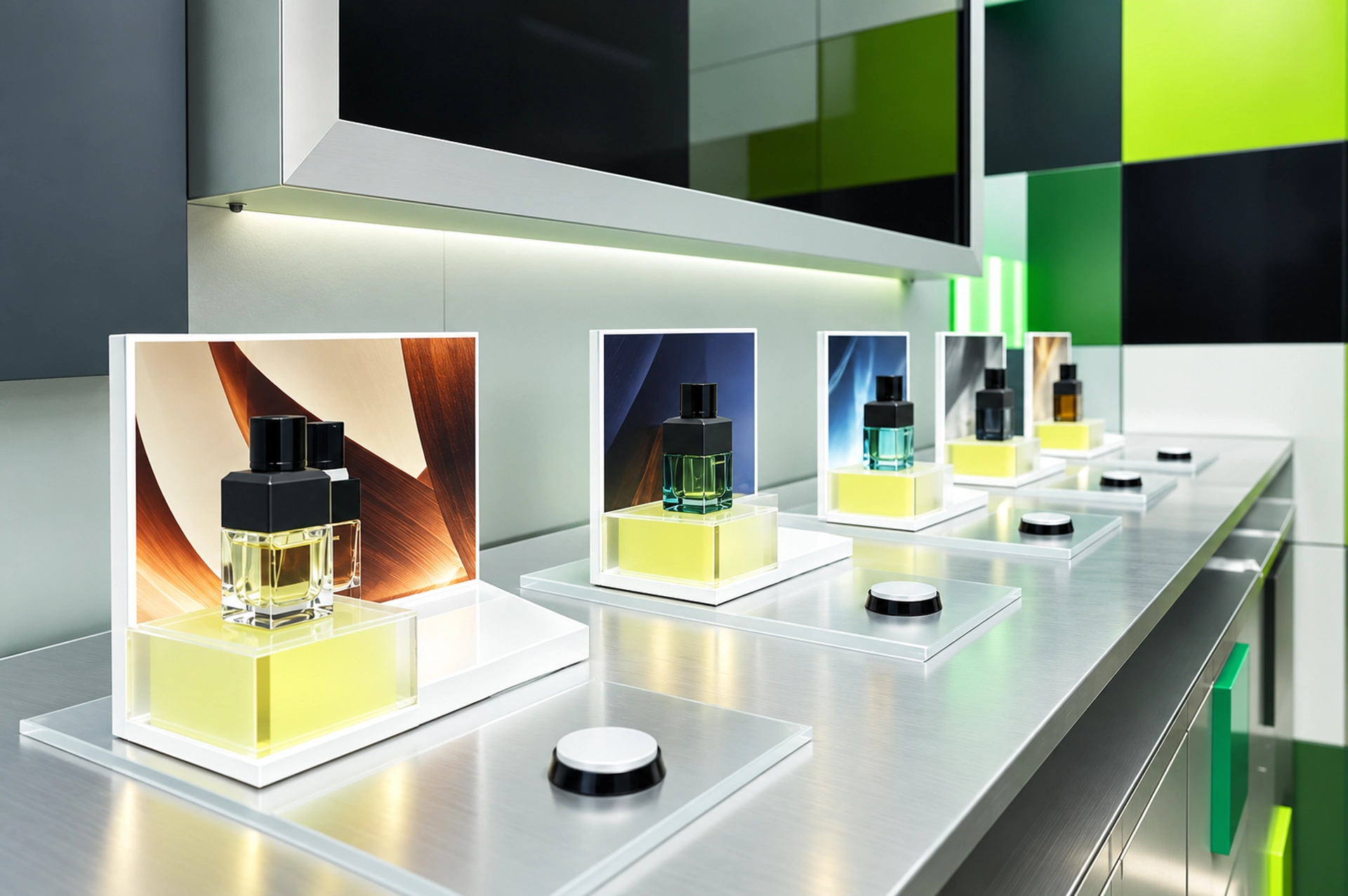
Different formats for product launches, promotions and point-of-purchase presentation.
A POS or POP display can take different physical forms depending on available space, product quantity, shopper interaction, campaign duration and merchandising goals.
Showing POS / POP display direction 3 of 6.
COMMON CONFIGURATIONS
Structured around placement, promotion and product access.
The right format depends on where the display will sit, how many products it needs to hold, how shoppers interact with it, how often graphics or products change and how the display will be assembled and replenished.
RETAIL CONTEXT
POS and POP displays shaped around product, campaign and retail context.
Different categories place different demands on product visibility, shopper access, replenishment, graphics, lighting, security and how much space a promotional display can occupy.
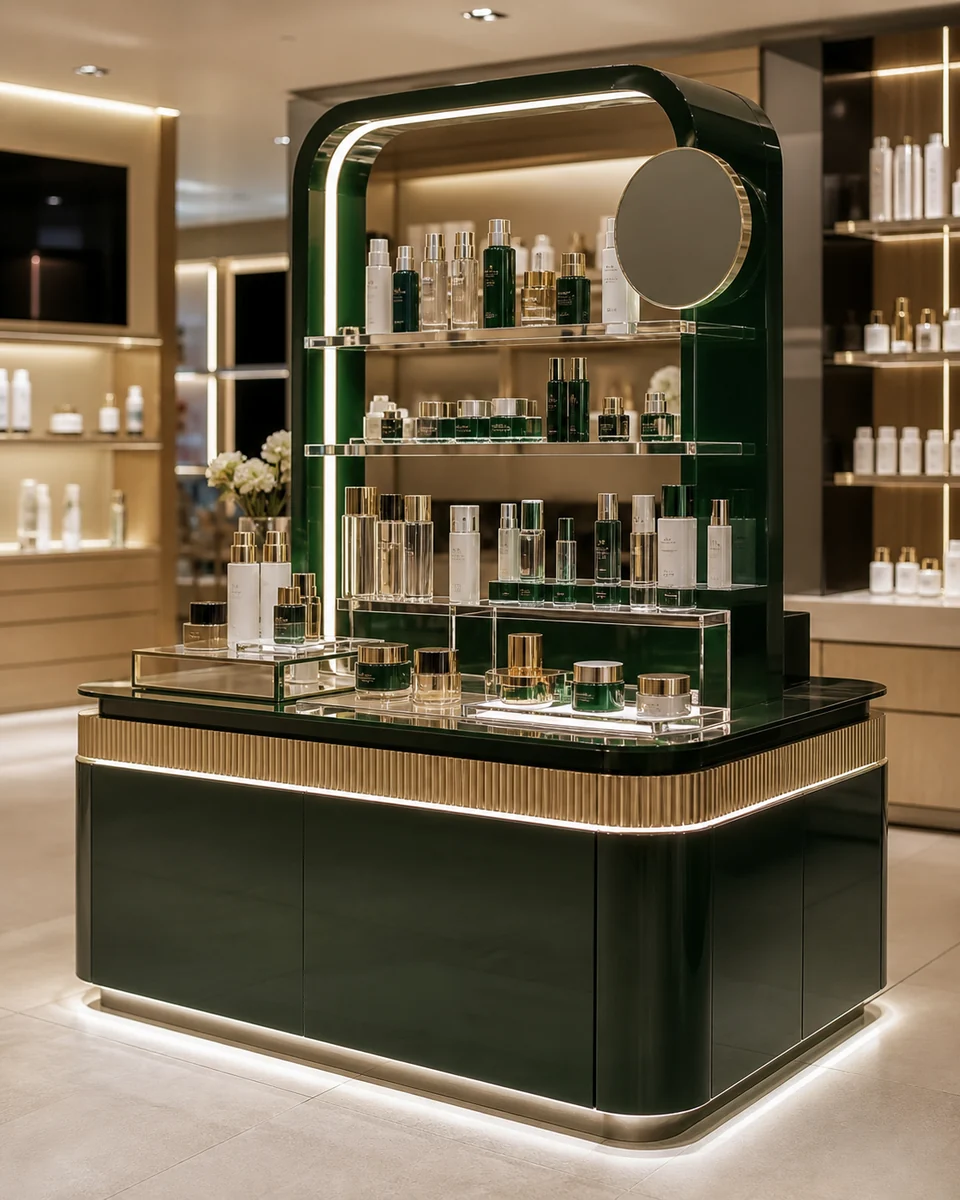
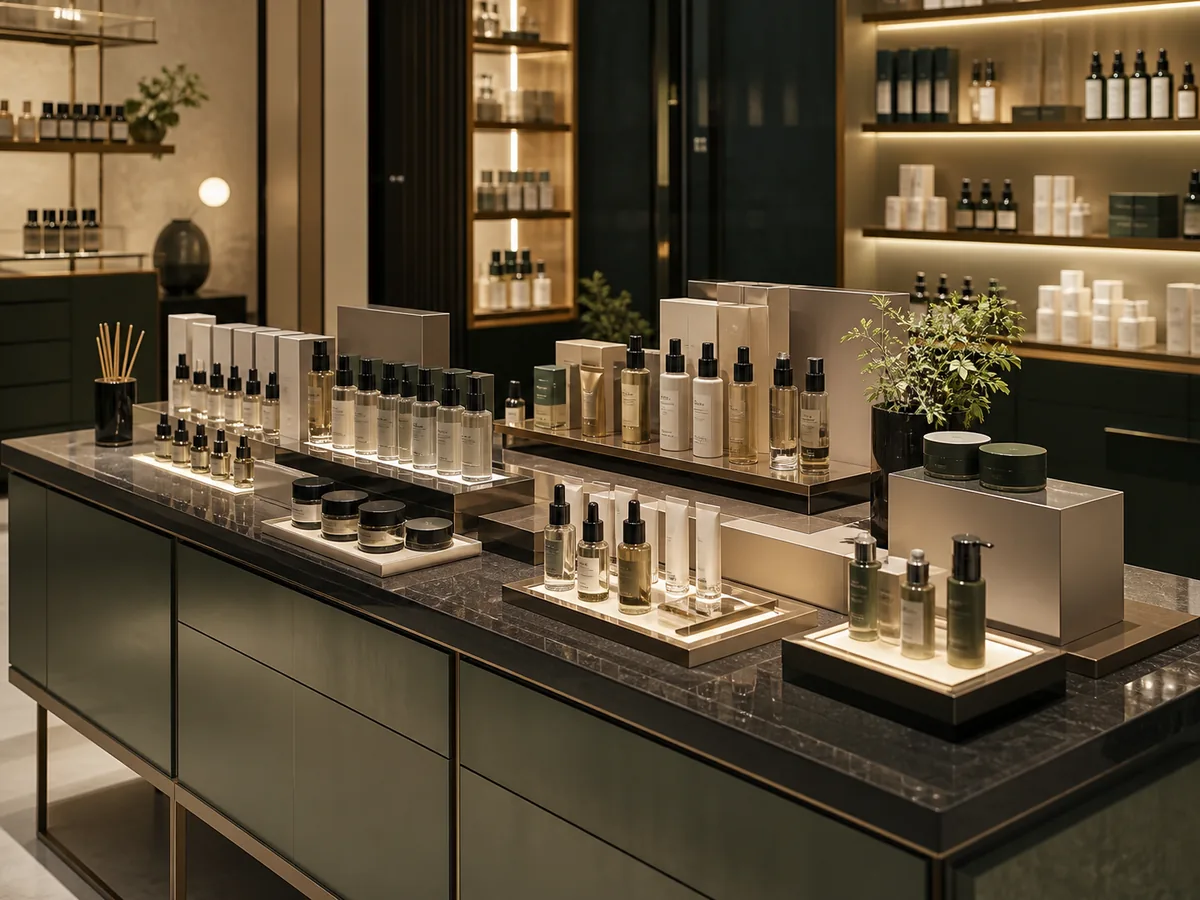 Beauty & Cosmetics
Launch and promotional displays can organize cosmetics, skincare and fragrance while supporting tester access, product zoning, branded graphics and optional lighting.
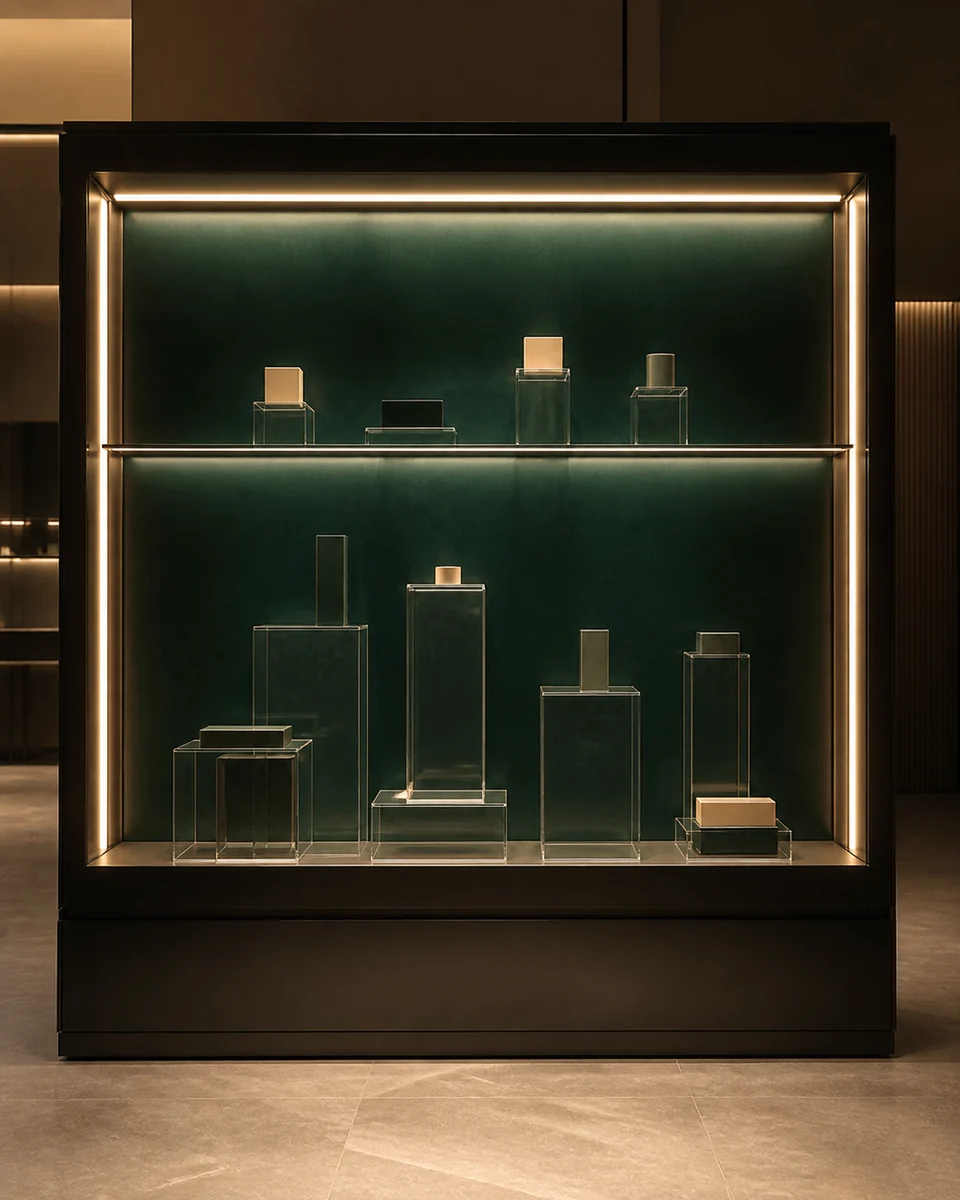 Jewelry & Watches
POS displays for suitable jewelry and watch products may prioritize premium finishes, controlled presentation, lighting, access and product protection.
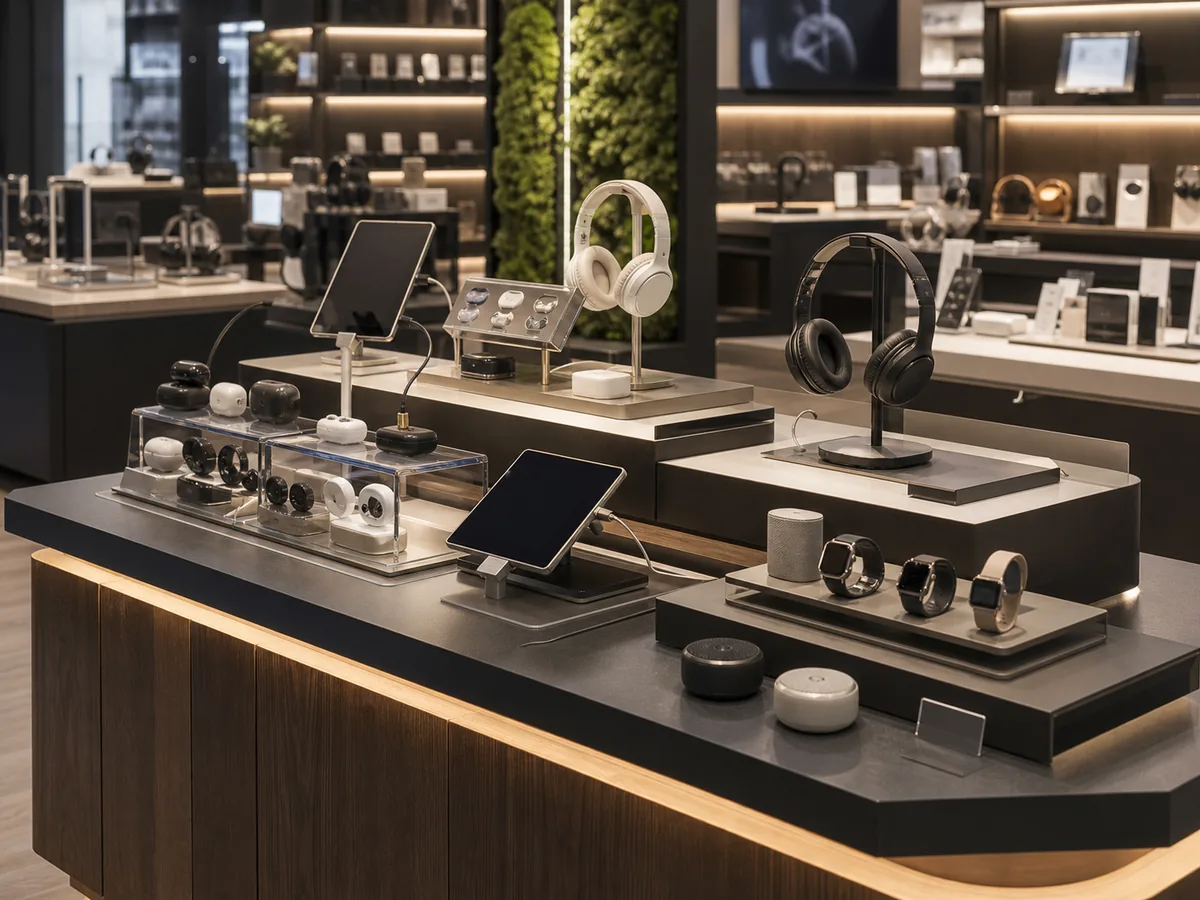 Consumer Electronics
Electronics promotions can require demonstration access, cable routing, product information, security considerations and branded presentation within a compact display.
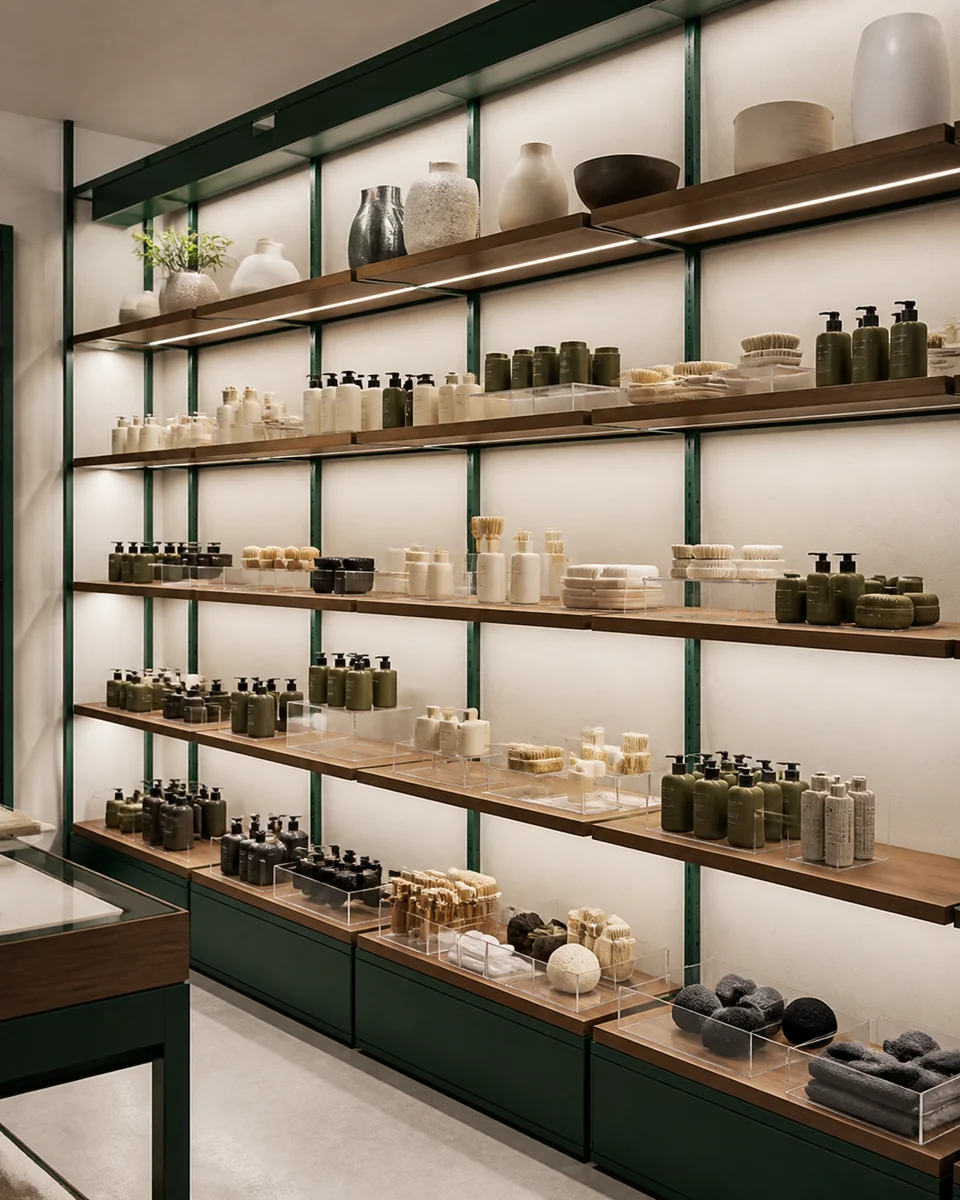 Food & Beverage
POP displays can support packaged-product promotions where product visibility, replenishment and campaign messaging need to work together.
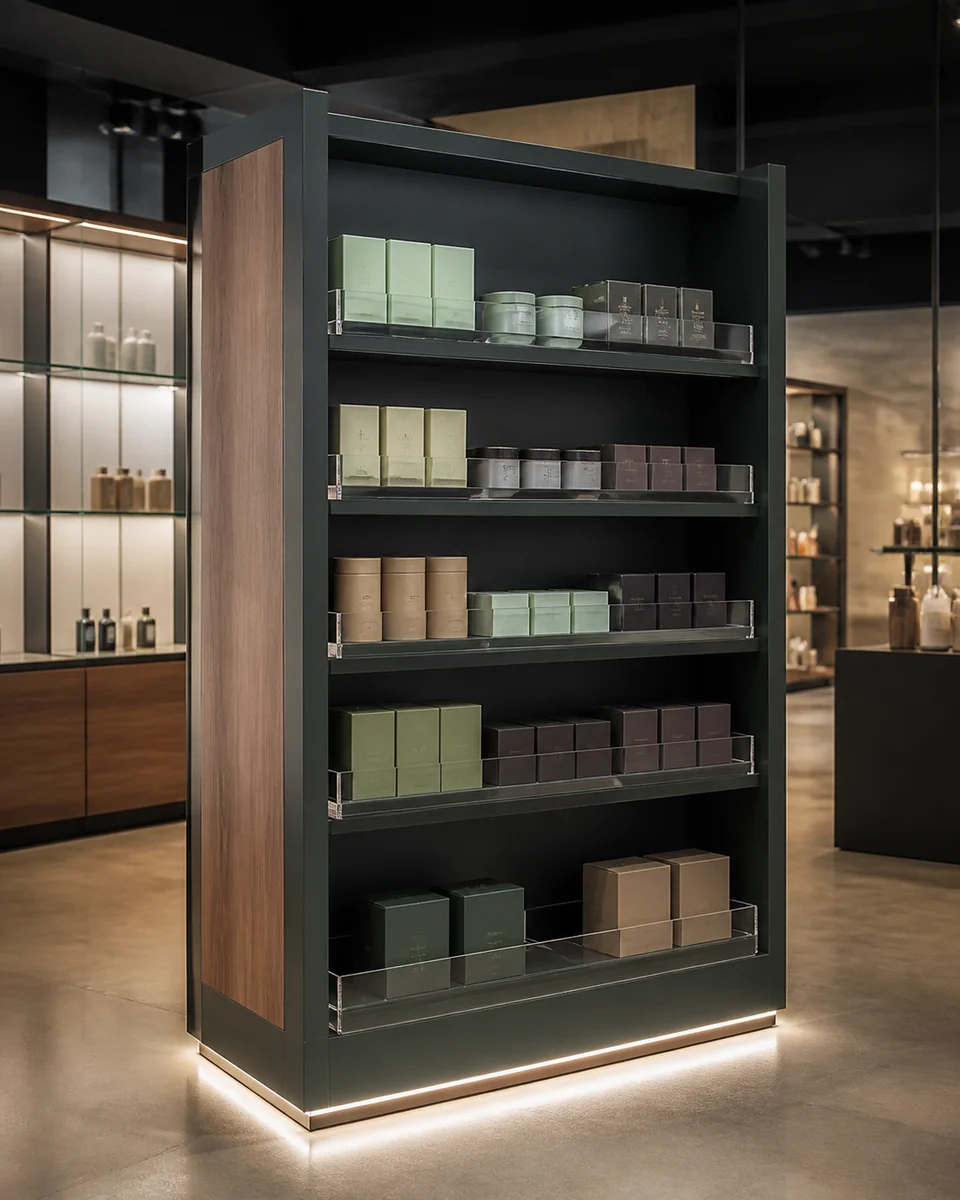 Fashion & Accessories
Counter, shelf and compact floor displays can support accessory launches, seasonal promotions and branded product collections.
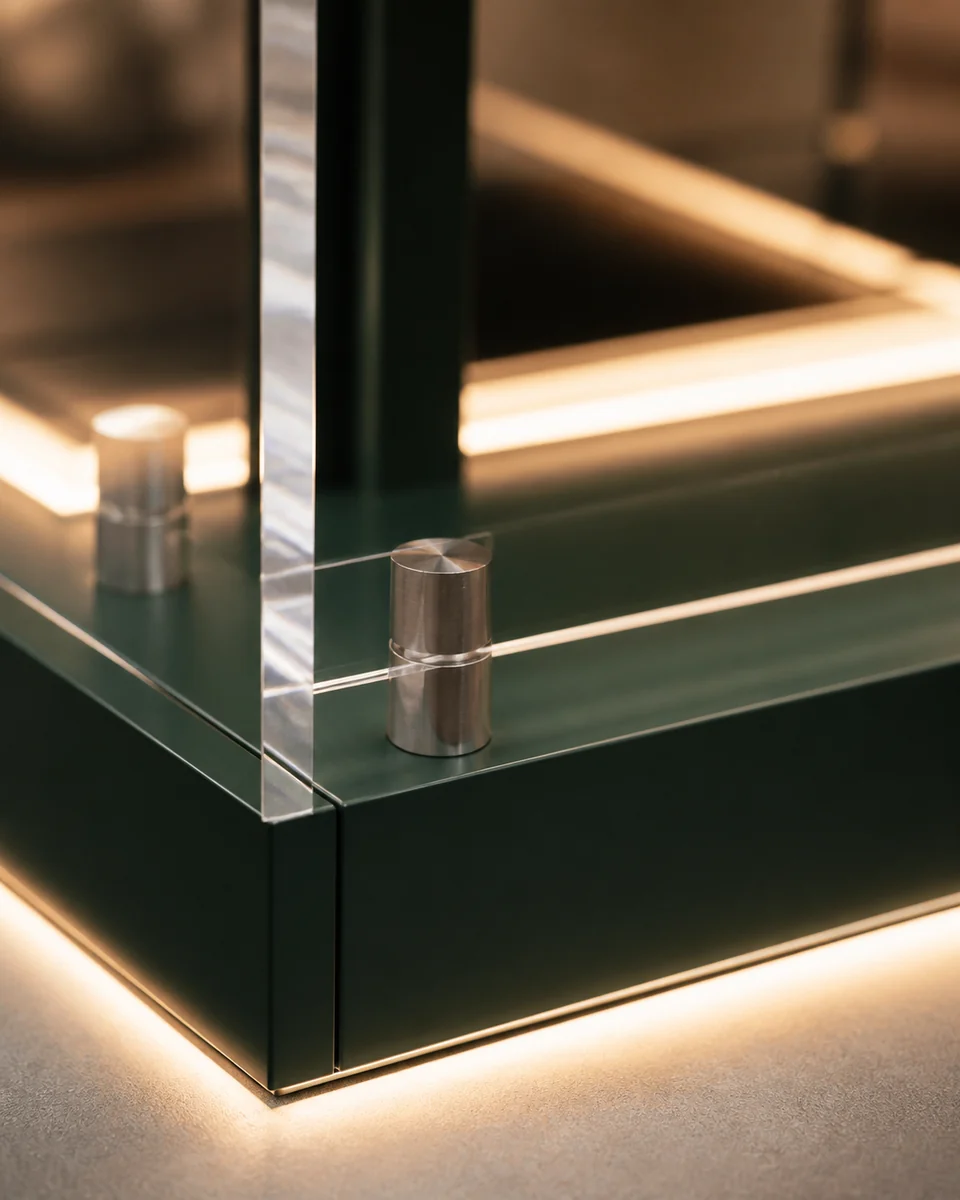 Lifestyle Retail
POS and POP displays can create defined product zones for wellness, home, gift and specialty products while supporting campaign storytelling.
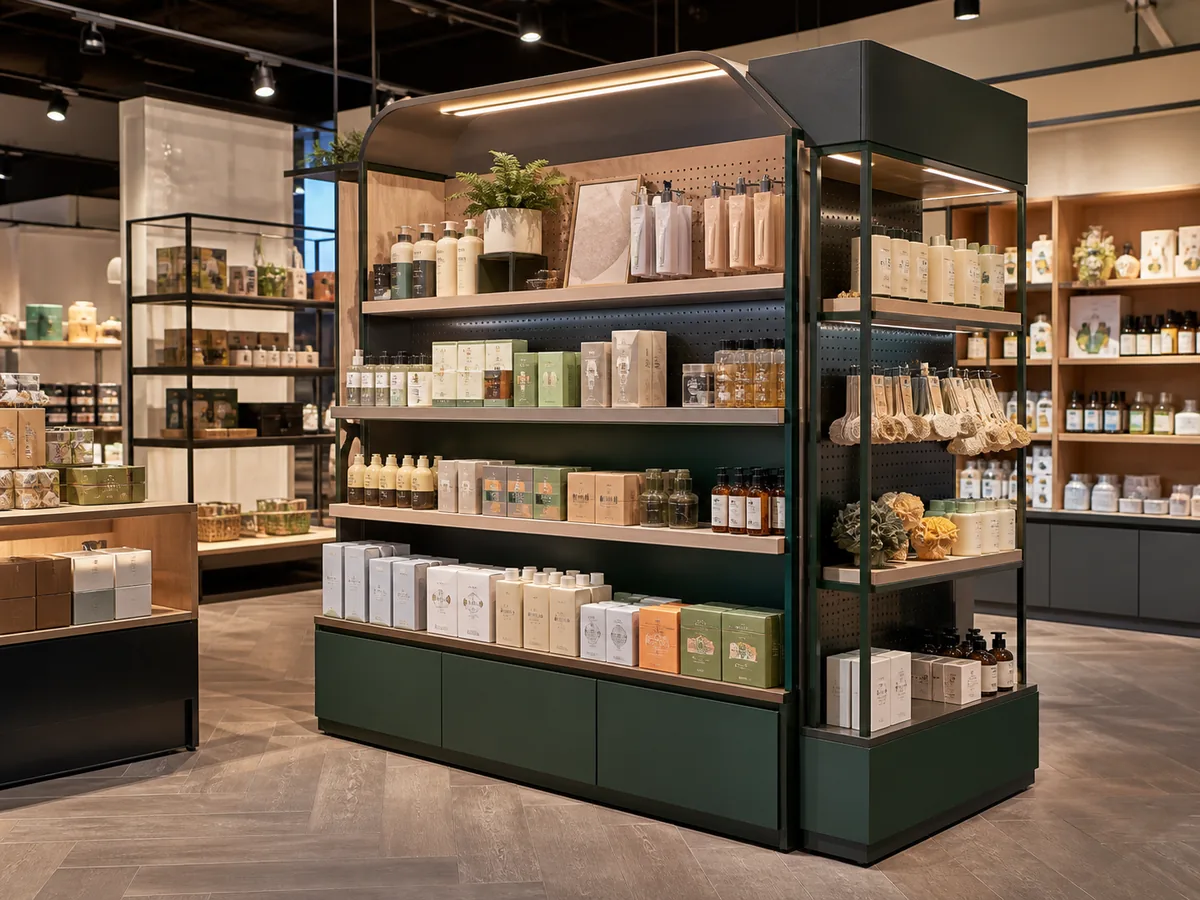 Consumer Brands
Custom promotional displays can support launches, featured products and retail campaigns across counter, shelf or compact freestanding placements.
 Gifts & Specialty
Multi-SKU promotional displays can organize gift and specialty products while keeping different product groups easy to understand and replenish.
Materials selected around campaign use, structure and brand presentation.
Acrylic, metal, wood, plastics, glass and lighting can be selected or combined based on display format, product load, campaign duration, finish, assembly, graphics and production requirements.
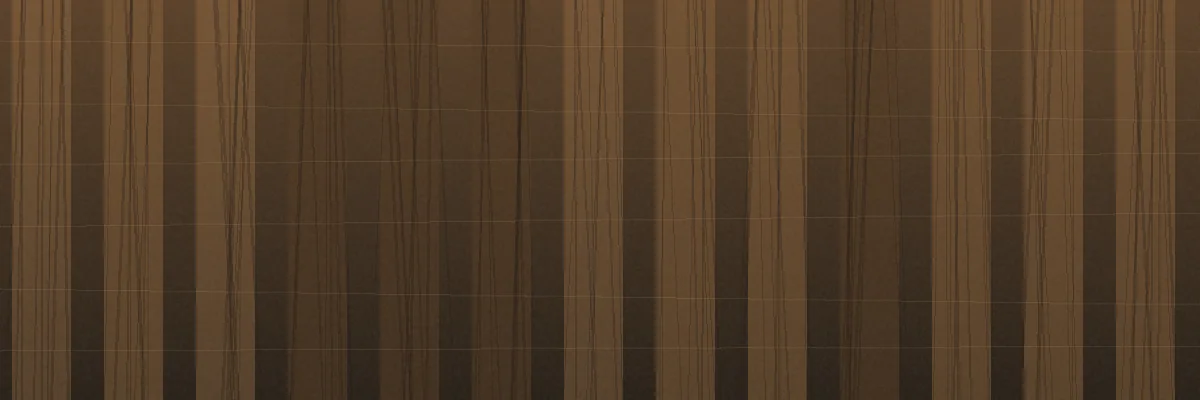
Wood & MDF
Metal
Acrylic
Glass

LED & Lighting
PVC, PETG & Other Plastics
PROCESS
From campaign brief to production-ready display.
Development starts with the product, placement and campaign requirements, then moves through display format, engineering, prototype review, production and packaging.
Define the Retail Brief
We begin with the product, intended retail placement, campaign purpose, number of SKUs, target quantity, available space and any reference material.
- Product and placement
- Campaign / merchandising need
- Quantity and references
Shape the Display Direction
The display format is developed around product visibility, shopper access, branding, graphics, replenishment, materials and optional lighting.
- Display format
- Product access
- Brand and graphic direction
Engineer and Validate
Product fit, structure, graphic interfaces, material combinations, assembly and prototype requirements are reviewed before production.
- Product fit and structure
- Graphic / material interfaces
- Prototype review
Move Into Production
Approved requirements move into fabrication, printing, finishing, lighting integration where required and assembly, with production checks built into the process.
- Fabrication and finishing
- Printing / branding
- Production checks
Prepare for Retail Delivery
Completed displays are reviewed and packed around surface protection, assembly method, graphic components and final shipment requirements.
- Final review
- Protective packaging
- Assembly / shipment preparation
ENGINEERING + PRODUCTION
Engineering behind a promotional display that remains practical to produce and use.
Product fit, structure, graphics, material interfaces, assembly, replenishment and packaging all need to work together before a POS or POP display is ready for production.
Product &SKU Layout
Structure &Display Format
Prototyping &Sampling
Multi-MaterialFabrication
Assembly &Quality Control
Packaging &Delivery
QUALITY CONTROL
Checks focused on product fit, appearance, graphics and assembly.
Depending on the project, reviews can cover materials, product placement, first articles, graphic alignment, surface appearance, assembly, lighting and packaging before shipment.
- Material Verification
- Product & SKU Fit Check
- First Article Review
- Graphics & Appearance Check
- Assembly & Function Check
- Packaging & Pre-Shipment Review
DISPLAY EXAMPLES
POS and POP display directions for different campaign and merchandising needs.
Placement, product quantity, campaign duration, shopper access, graphics, materials and assembly requirements can all influence how a promotional display is developed.
Display Direction
Beauty Launch Display Direction
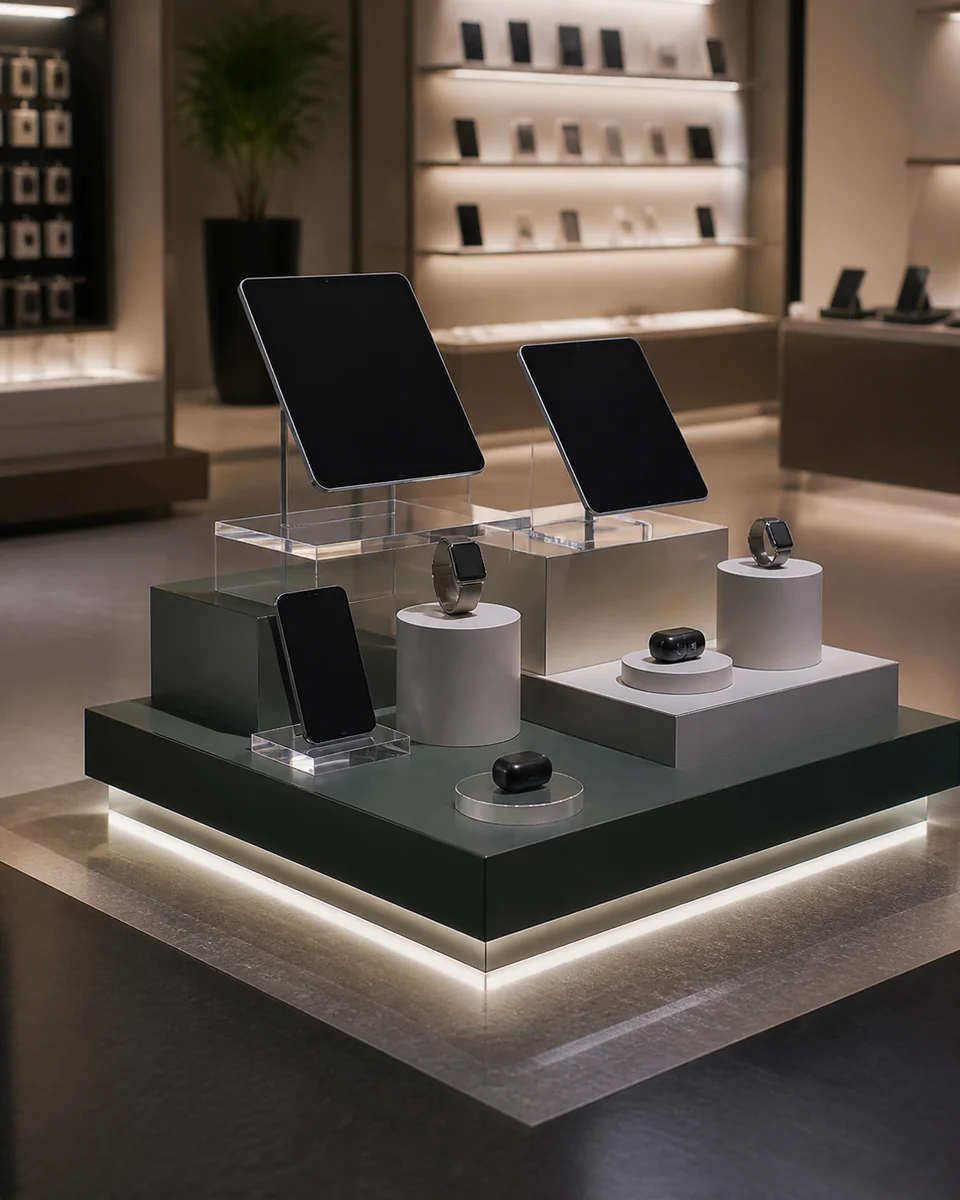
A launch-display direction considering tester access, product zoning, branded graphics and optional lighting.
Display Direction
Electronics Promotional Display Direction
A compact promotional direction considering demonstration access, cable routing, product information and branding.
Display Direction
Shelf POP Display Direction
A shelf-based POP direction considering product access, replenishment and replaceable campaign graphics.
Display Direction
Multi-SKU Promotion Direction
A multi-SKU direction organizing product zones, replenishment and campaign information within the available placement.
Display Direction
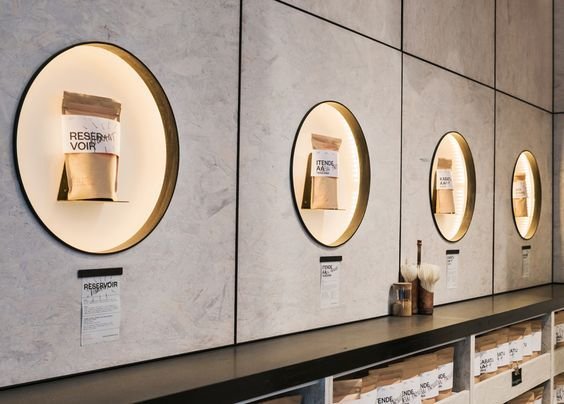
Illuminated POS Display Direction
An illuminated direction considering product visibility, branded presentation, power routing and assembly.
Display Direction
Compact Floor POP Display Direction
A compact floor-display direction considering product load, branded presence, assembly and packaging volume.
Showing display direction 2 of 6.
Questions about custom POS and POP displays.
What is the difference between POS and POP displays?
POS and POP both describe displays used near the purchase decision. POP is commonly used more broadly for point-of-purchase merchandising, while POS often refers to displays positioned around the point of sale. The physical display format can overlap.
Is a POS or POP display a specific type of structure?
Not necessarily. A POS or POP project can use a countertop, shelf, compact floor-standing, stand, riser or display-case format depending on the product, placement and promotional objective. Our focus is small and mid-size units, not large fixtures, shopfitting or full-store promotional builds.
What information do you need for a POS or POP project?
Useful information includes product dimensions, number of SKUs, intended retail placement, available space, campaign purpose, target quantity, branding files, drawings and reference images.
Can one display hold multiple products or SKUs?
Yes. Product zones, shelves, trays, holders, dividers or hooks can be developed around multiple products depending on their dimensions and replenishment requirements.
Can graphics be changed for future campaigns?
Depending on the display concept, replaceable graphic panels or other updateable branding elements can be considered where repeat use is part of the project requirement.
Can lighting be integrated?
Depending on the concept, LED lighting can be incorporated to support product visibility, branding or specific presentation requirements.
Can different materials be combined?
Yes. Acrylic, metal, wood, plastics, glass and lighting can be combined where structure, appearance, durability, weight or production requirements benefit from a mixed-material approach.
Can a prototype be made before production?
Prototype and sampling can be used to review product fit, graphics, appearance, structure, assembly and other project requirements before larger production quantities are finalized.
Can POS and POP displays be designed for easier shipping and assembly?
Yes. Depending on the format, assembled, partially assembled or knock-down approaches can be considered to balance packaging volume, protection and final assembly.
START A PROJECT
Planning a POS or POP display for a product launch or promotion?
Share your product details, intended placement, number of SKUs, target quantity, branding files, drawings or reference images. We'll review the requirements and help define a practical display direction.