
PRODUCT DISPLAY STANDS & RISERS
Custom Product Display Stands & Risers
Custom stands, risers and product supports developed around your product dimensions, viewing angle, display height, stability, materials and retail presentation requirements.
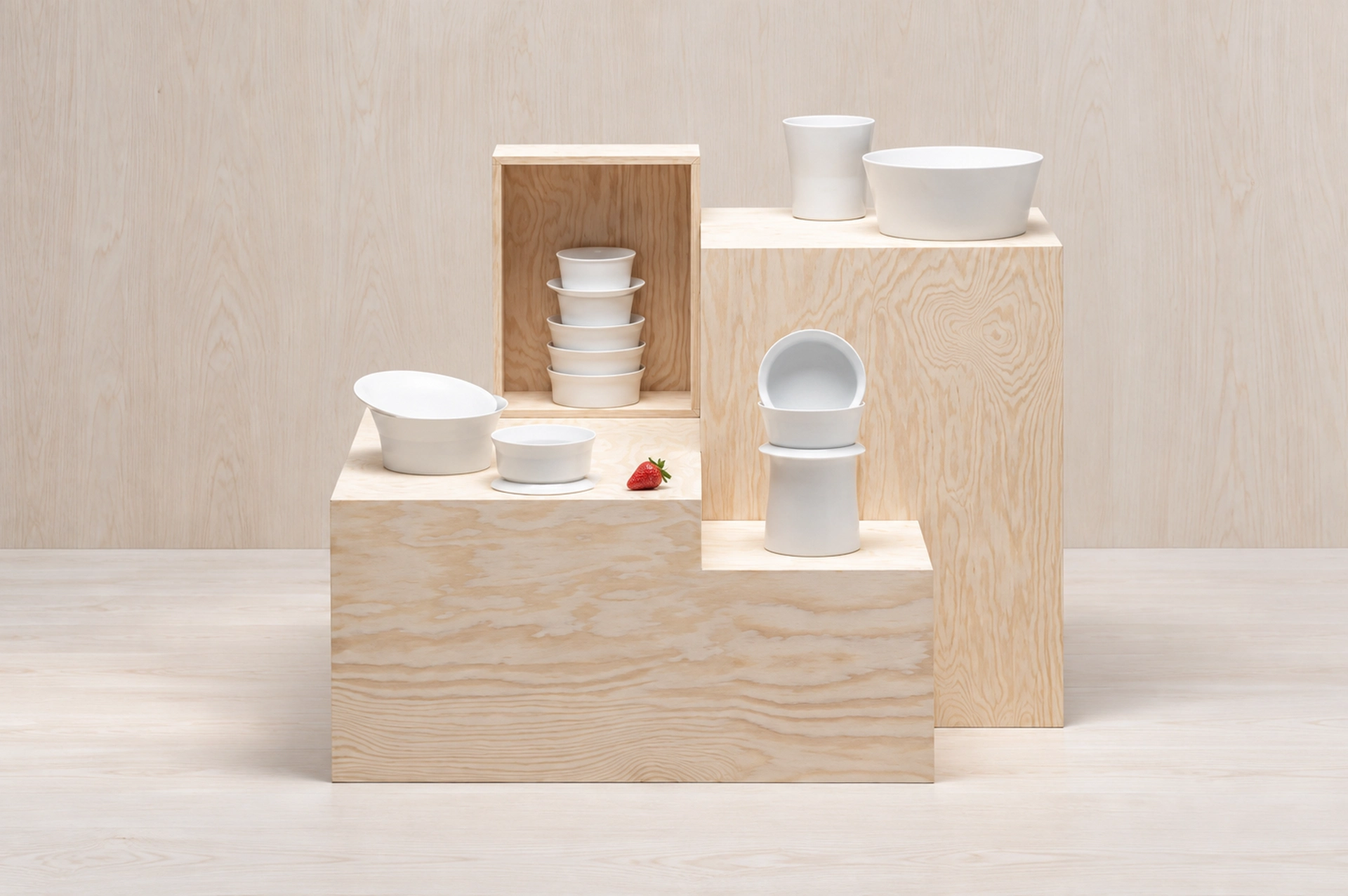
Product Stand & Riser Formats
Stands and risers add height, angle and visual hierarchy on counters, shelves and in showcases. These small product supports are display directions, not completed projects or full-store fixtures.
Showing selected project 3 of 6.
COMMON CONFIGURATIONS
Built around height, angle and product support.
Fit, weight, contact points, viewing angle and handling needs guide the configuration.
RETAIL CONTEXT
Product supports shaped around shopper interaction.
Product category influences viewing angle, elevation, contact points, spacing, lighting, security and how easily items need to be handled or replaced.
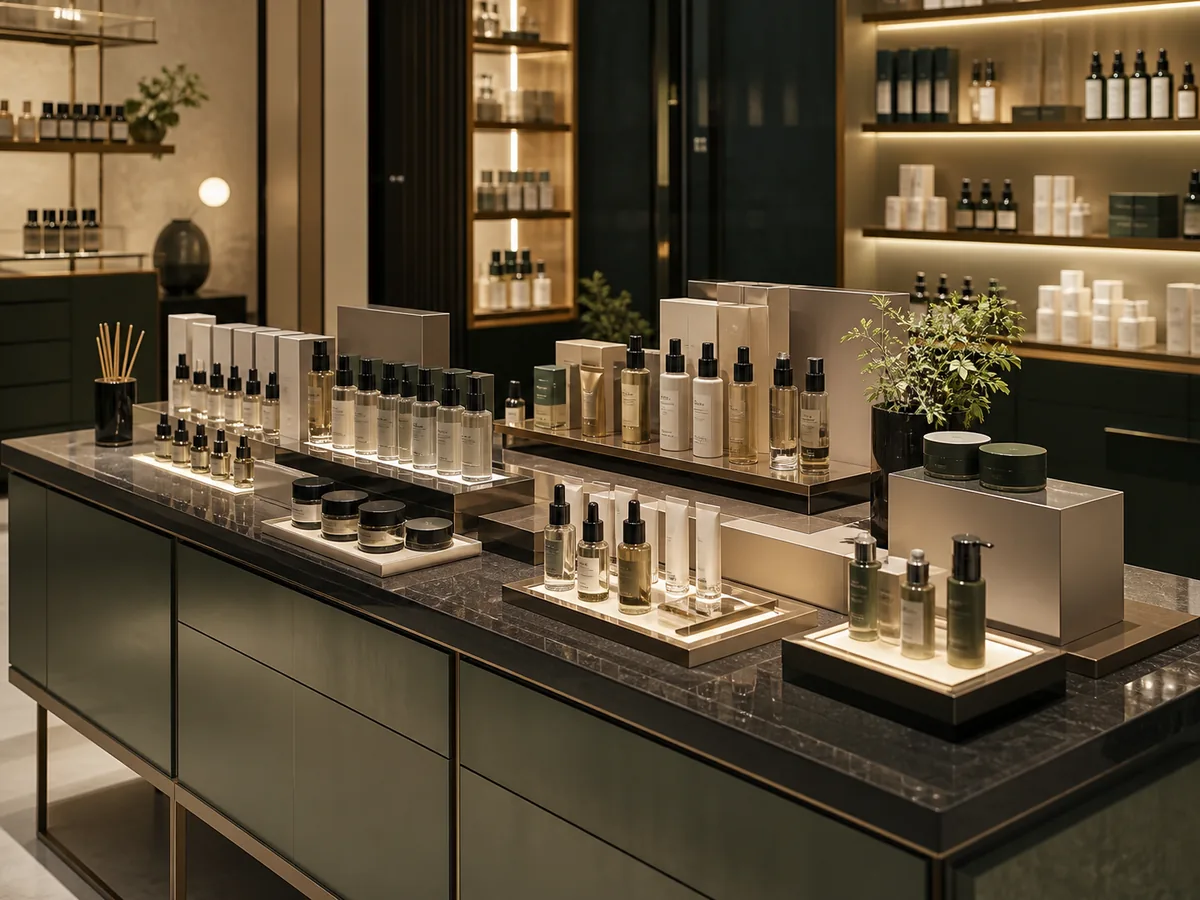 Beauty & Cosmetics
Risers, trays and angled stands can create product hierarchy, improve visibility and organize cosmetics, fragrance and skincare presentations.
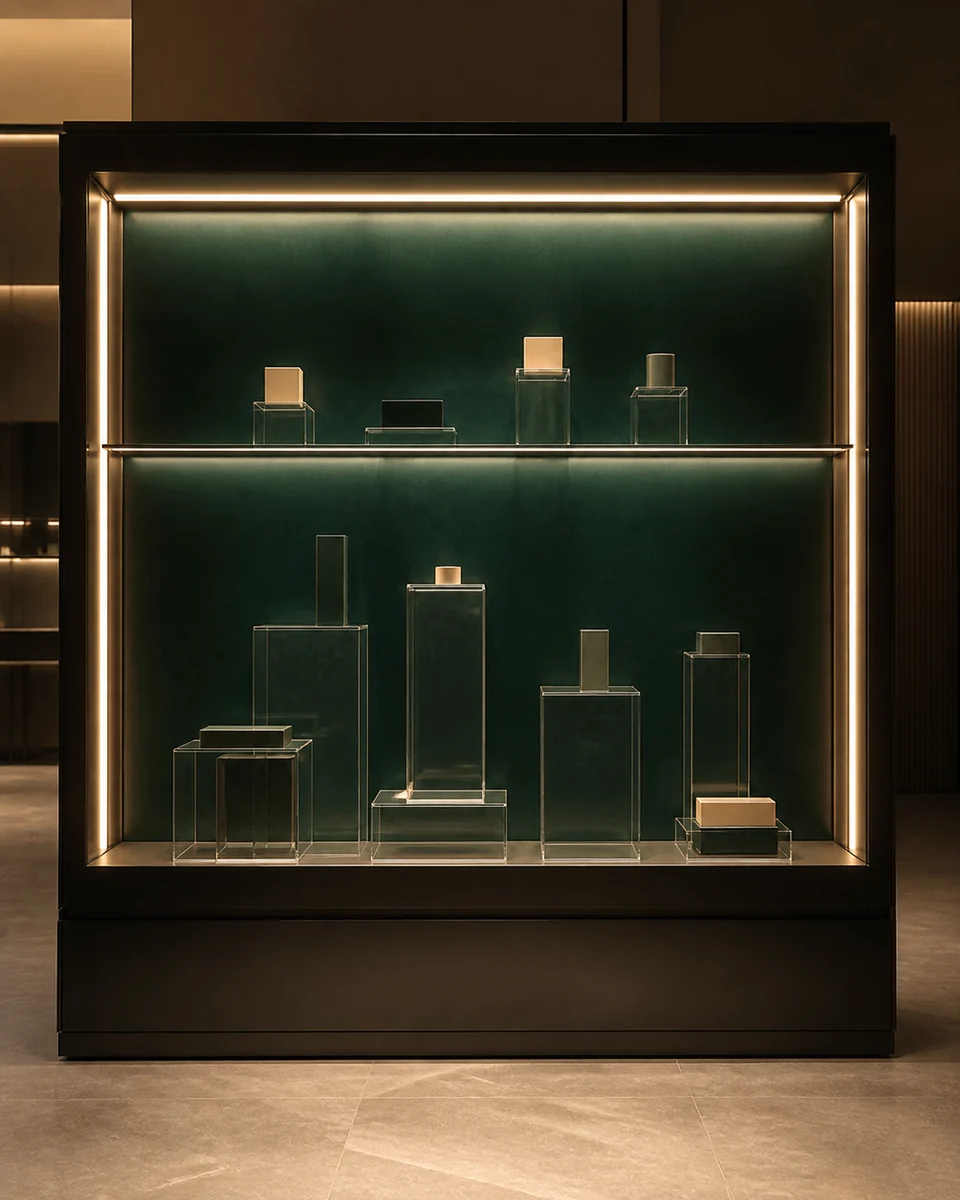 Jewelry & Watches
Small pedestals, risers and holders can position jewelry and watches at defined heights and angles while supporting refined presentation.
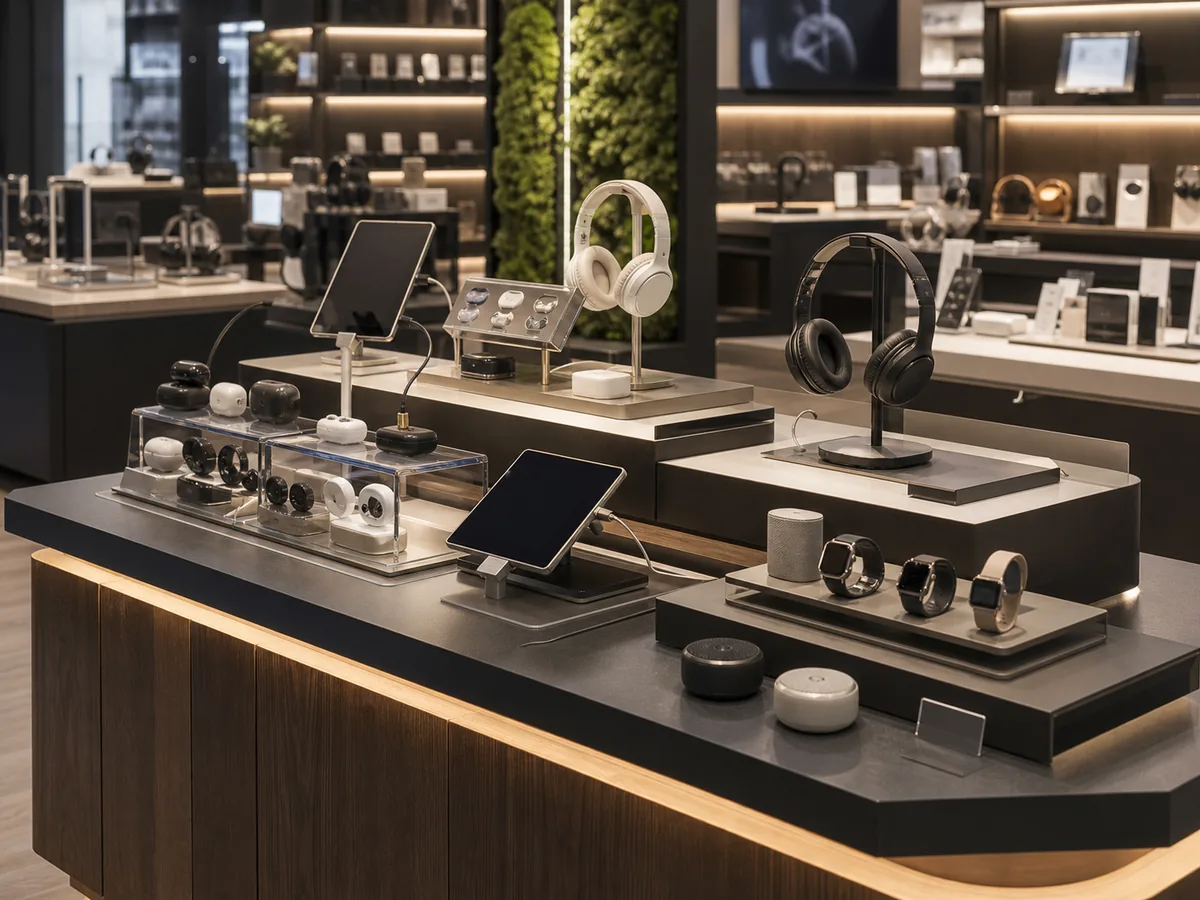 Consumer Electronics
Product stands can support phones, headphones, devices and accessories where viewing angle, cable routing and shopper interaction need to be considered.
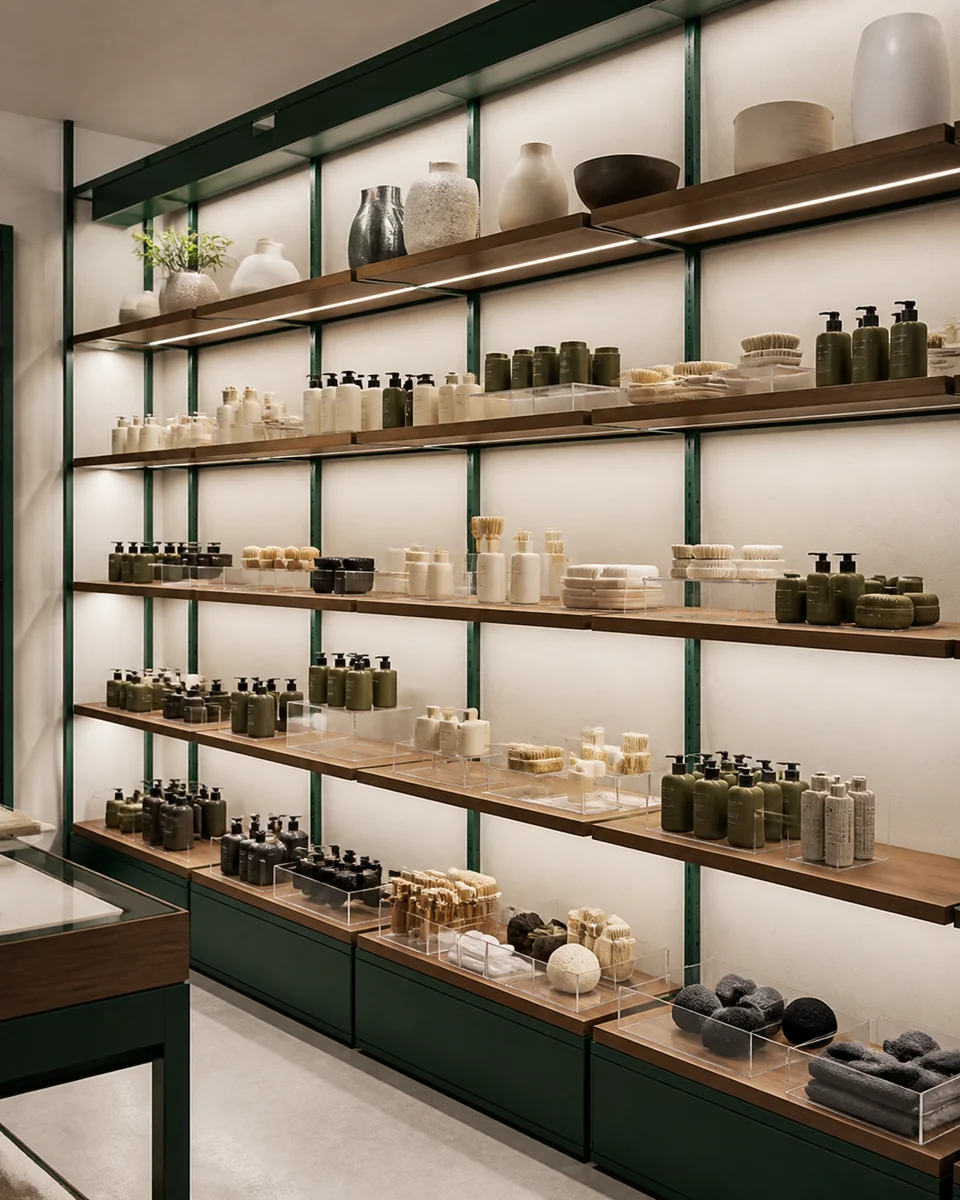 Food & Beverage
Risers and platforms can create product levels for packaged goods, premium products or promotional presentations where appropriate.
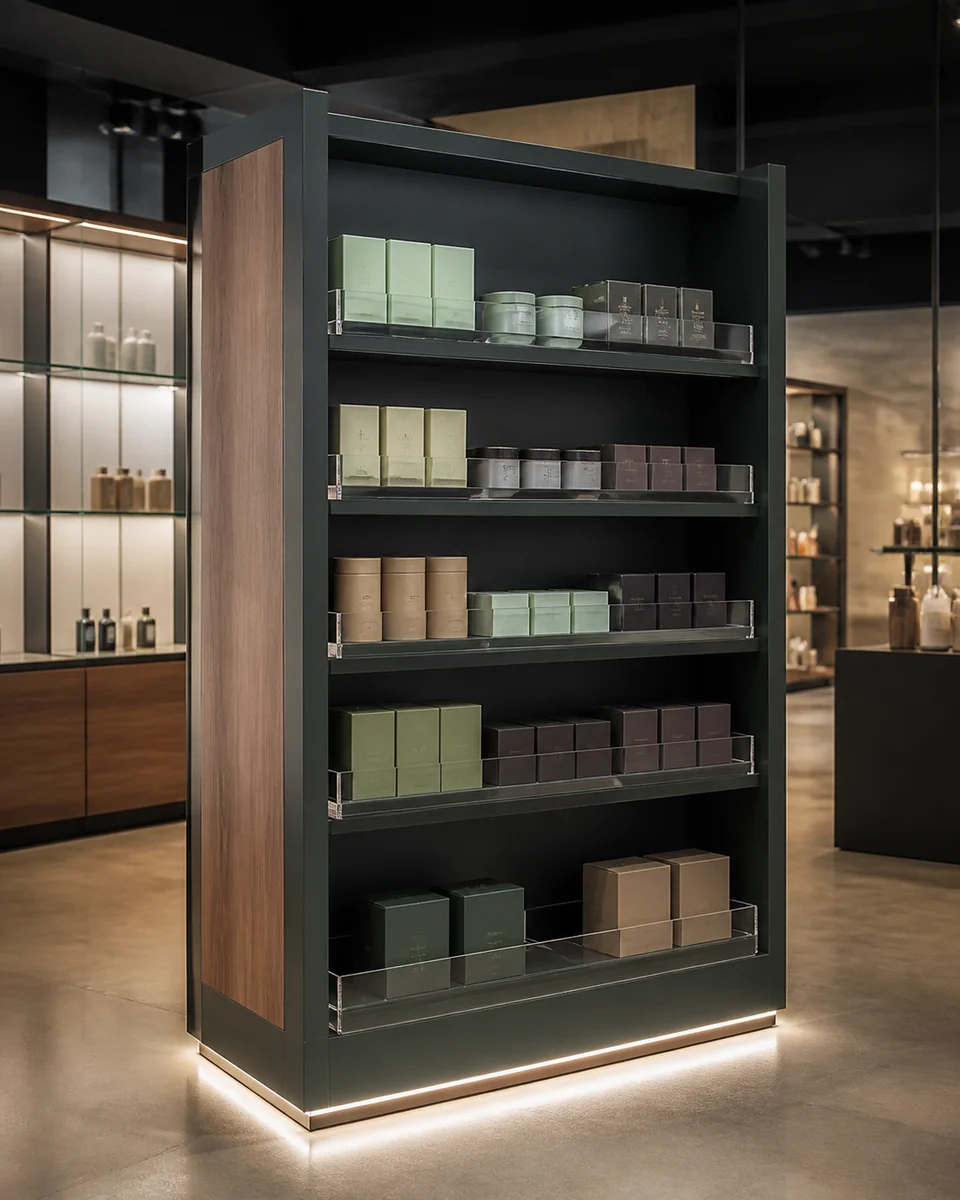 Fashion & Accessories
Stands, pedestals and risers can elevate eyewear, bags, footwear, jewelry and smaller accessories within existing retail displays.
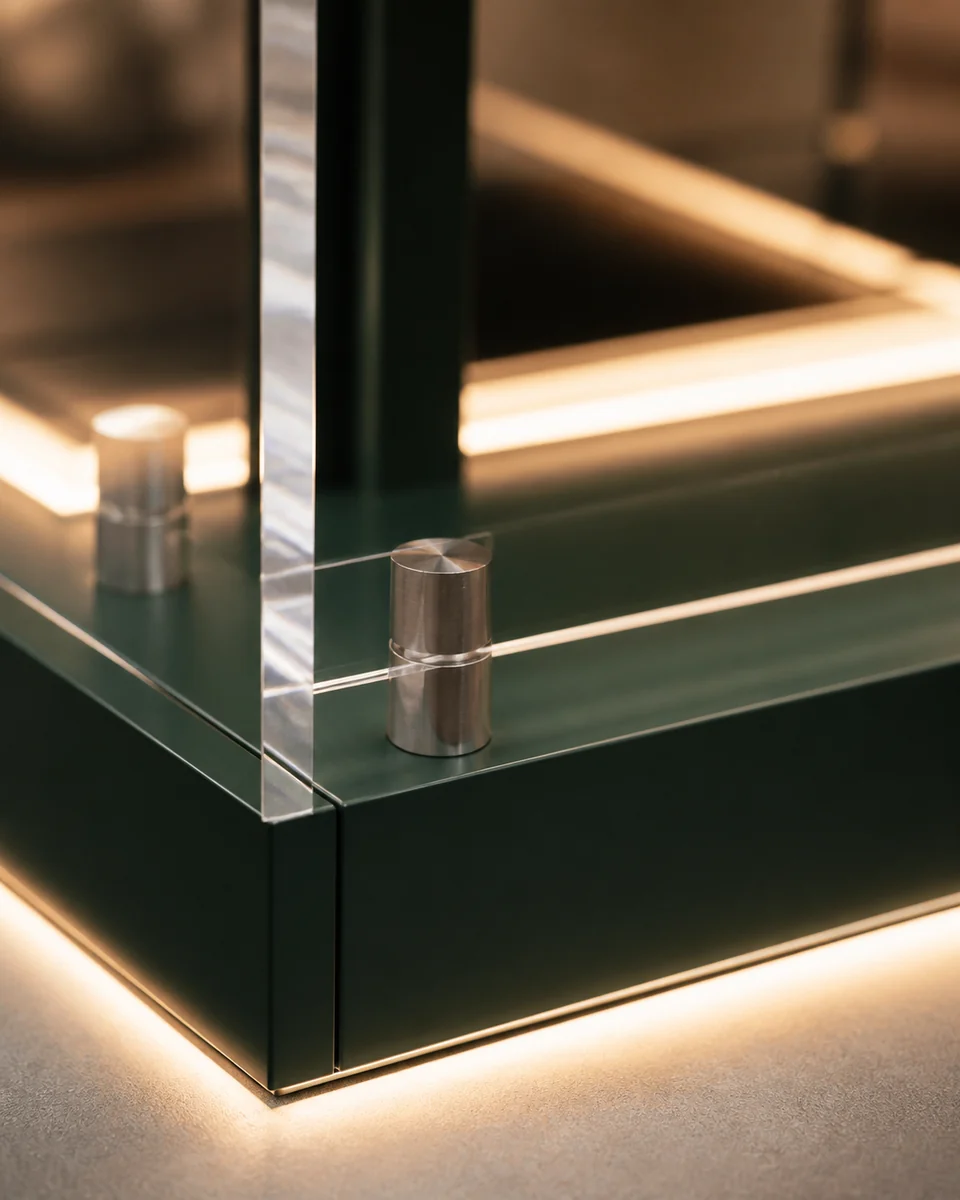 Lifestyle Retail
Product platforms and risers can create visual hierarchy for home, wellness, gift and specialty products.
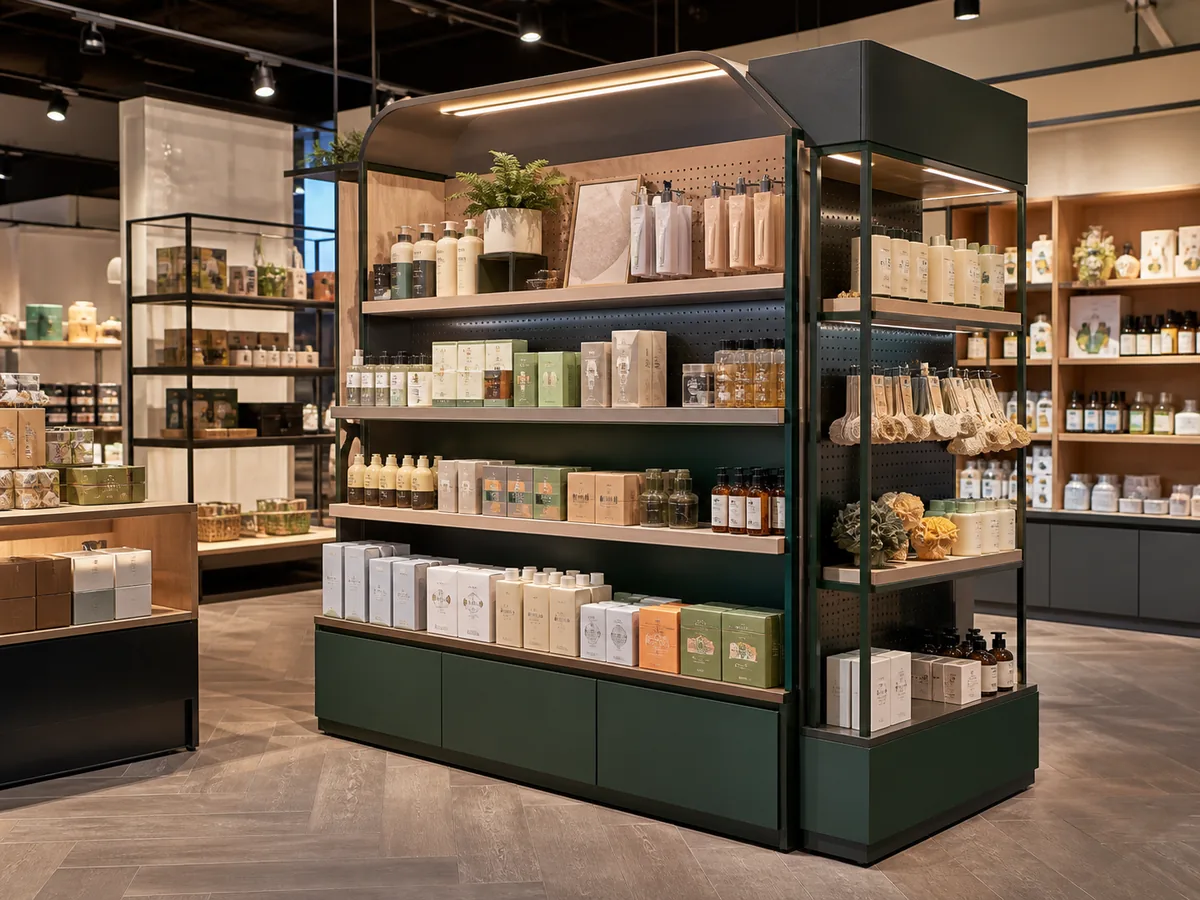 Consumer Brands
A stand can highlight a featured product within an existing counter, shelf or display case. Its focus is product support and position, not a complete merchandising system.
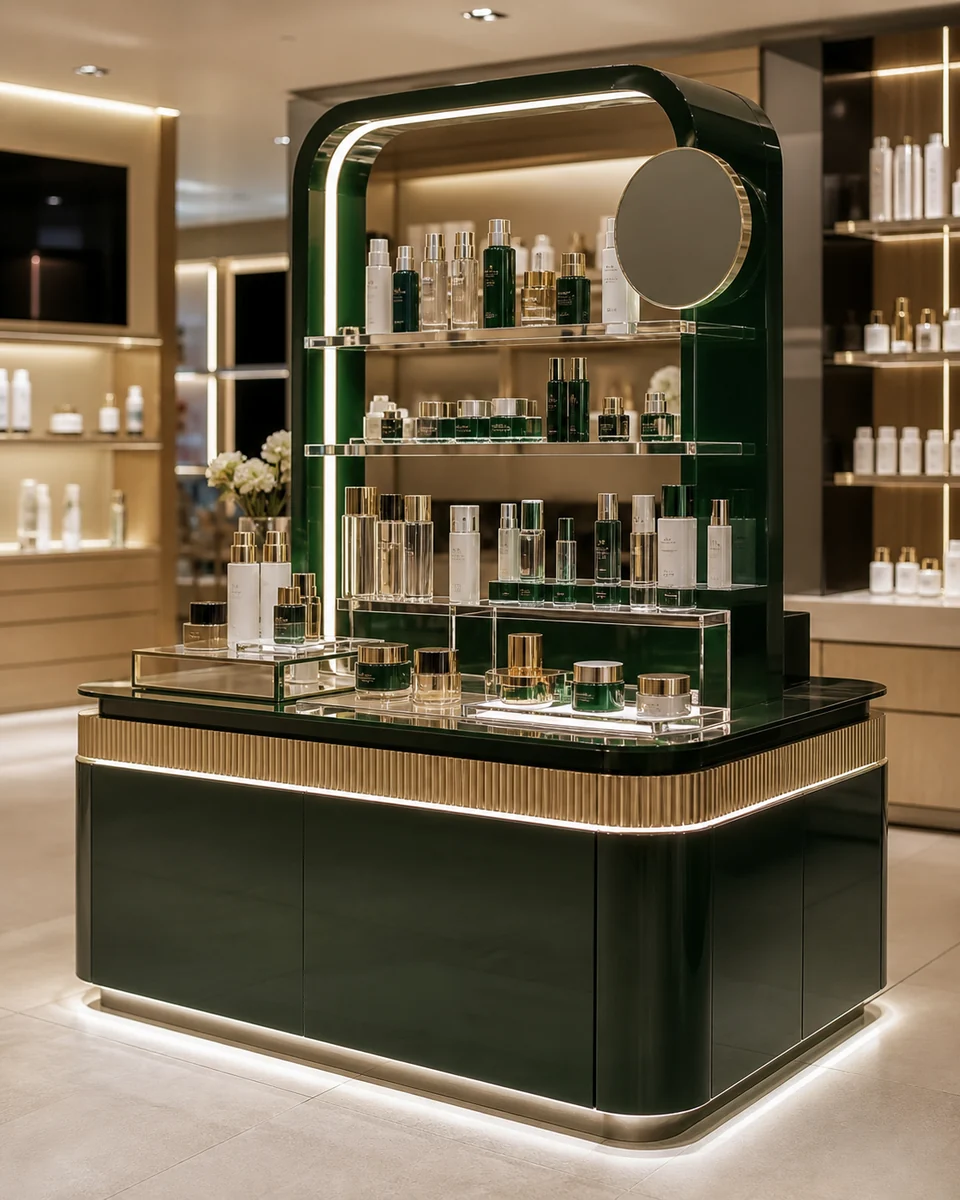 Gifts & Specialty
Tiered risers and individual stands can help organize mixed product sizes while creating clearer visual separation.
Materials for support, finish and product contact.
Acrylic, metal, wood, plastics, glass where appropriate, and lighting can be combined around product weight, stand geometry, finish, transparency, contact surfaces and production requirements.
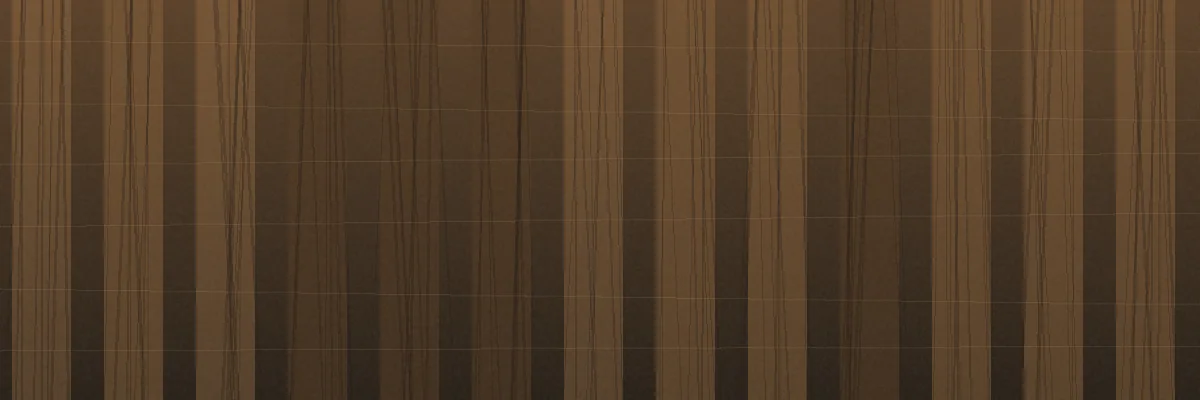
Wood & MDF
Metal
Acrylic
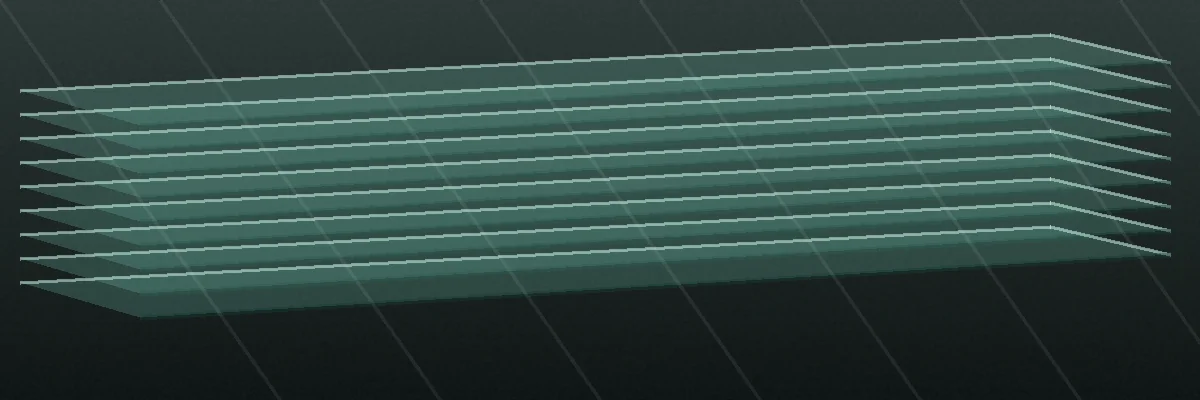
Glass

LED & Lighting

PVC, PETG & Other Plastics
PROCESS
From product dimensions to a production-ready stand.
Development starts with the product itself, then moves through positioning, structure, material selection, prototype review, production and protective packaging.
Define the Product
We begin with product dimensions, approximate weight, intended display position, viewing requirements, target quantity and any drawings or reference images.
- Product dimensions and weight
- Display position
- Quantity and references
Define Height and Presentation
Height and angle are developed around sightlines, clearance, neighboring products and contact points. Flat, angled or upright positions are reviewed for product access and support, with no single elevation suited to every product.
- Height and angle
- Product spacing
- Presentation direction
Engineer Fit and Stability
Product fit, balance, support points, base dimensions, material interfaces and prototype requirements are reviewed for the specific product and display environment before production.
- Product fit
- Balance and support
- Prototype review
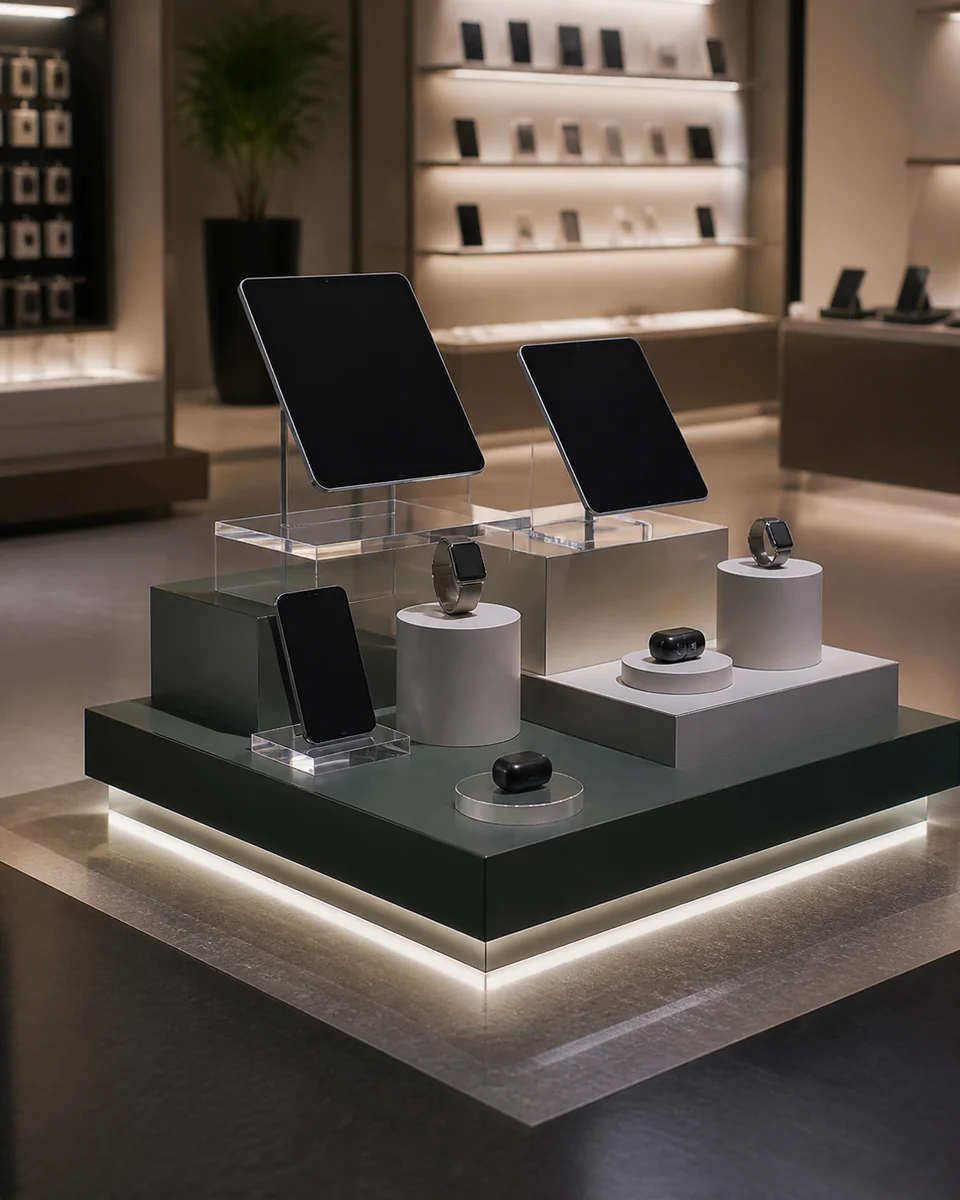
Move Into Production
Approved requirements move into fabrication, finishing, printing, lighting integration where required and assembly, with checks built into production.
- Fabrication and finishing
- Assembly and optional lighting
- Production checks
Protect the Display for Shipment
Completed stands and risers are reviewed and packed around surface and edge protection, nesting or separation, and shipment requirements. Packing is planned to limit contact, rubbing and impact between components.
- Final review
- Surface protection
- Protective packaging
ENGINEERING + PRODUCTION
Engineering product support and presentation.
Product contact points, viewing angle, balance, base size, materials, fabrication and packaging are reviewed together for each stand or riser. Fit and stability depend on the specific product and use conditions.
Product Fit &Contact Points
Height, Angle &Balance
Prototyping &Sampling
Multi-MaterialFabrication
Assembly &Quality Control
Packaging &Delivery
QUALITY CONTROL
Checks for product fit, balance and finish.
Depending on the project, reviews can cover dimensions, product fit, contact points, balance, surface appearance, assembly, lighting and packaging before shipment.
- Material Verification
- Dimensional & Product Fit Check
- Balance & Stability Check
- First Article Review
- Appearance & Finish Check
- Packaging & Pre-Shipment Review
DISPLAY EXAMPLES
Stand and riser display directions.
Product geometry, angle, height, spacing, materials and retail context shape these design concepts for discussion.
Design Direction
Tiered Beauty Riser Direction
A tiered beauty direction that separates product heights while keeping labels, testers and individual items accessible.
Design Direction
Jewelry Product Stand Direction
A jewelry stand direction reviewed around contact points, product proportions, viewing angle and handling within a showcase.
Design Direction
Electronics Angled Stand Direction
An angled device direction shaped around product geometry, shopper interaction, cable routing and the base area needed for support.
Design Direction
Single-Product Pedestal Direction
A compact pedestal direction that raises one product, with height, contact area and balance reviewed against its dimensions and weight.
Design Direction
Modular Riser Set Direction
A modular direction for rearranging product levels, with detachable connections considered around handling, assembly and component packing.
Design Direction
Mixed-Material Product Stand Direction
A small product stand direction combining materials around support, transparency, contact surfaces, finish and protected shipment.
Showing featured case study 2 of 6.
Questions about product stands and risers.
How do stands and risers differ?
A product stand typically supports or positions a specific item, while a riser primarily elevates one or more products to create height and visual hierarchy. Some designs combine both functions and can form part of a counter display, shelf presentation or showcase.
Which products can use stands or risers?
They can be developed for cosmetics, jewelry, watches, electronics, accessories, lifestyle products and gifts, depending on dimensions, weight and presentation requirements. Our focus is small and mid-size product supports, not large floor fixtures, store furniture or shopfitting.
What do you need to design a stand?
Useful information includes product dimensions, approximate weight, photos or drawings, desired viewing angle or height, target quantity and images of the retail environment where the stand will be used.
Can a stand fit my product's shape?
Yes. Product geometry and contact points can be considered when developing holders, cradles, cutouts or support surfaces for a specific product. Contact materials and surface protection should be reviewed with the actual product finish.
Can products sit at different heights?
Yes. Tiered, stepped or modular riser configurations can create different display levels and organize multiple products. Modular or detachable connections can be reviewed around repositioning, assembly and packing requirements.
Can the viewing angle be customized?
Yes. Flat, angled or upright positions can be developed around product visibility, shopper interaction, available space and the way the product needs to be supported. Balance and support should be checked for the specific product and intended use.
Can different materials be combined?
Yes. Acrylic, metal, wood, plastics, glass where appropriate, and lighting can be combined where product support, appearance, weight or production requirements benefit from a mixed-material approach.
Can lighting or branding be added?
Depending on the project, stands and risers can incorporate LED lighting, printed graphics, logos, engraved details or other branded elements.
Can you make a prototype first?
Prototypes and samples can be used to review product fit, height, angle, balance, appearance and assembly before larger production quantities are finalized. Review with the intended product helps check support and handling requirements.
START A PROJECT
Need a stand or riser built around your product?
Share your product dimensions, approximate weight, preferred viewing angle or display height, target quantity, drawings or reference images. We'll review the requirements and help define a practical starting point.